Trail guide · Field-tested

My Top 3 Hydration Bladders For Hiking

Image for Author Victoria Miller
Victoria Miller
Three hiking hydration bladders laid out on a rock with their hoses and bite valves visible
This post may contain affiliate links. Read our affiliate policy.

A good hydration bladder for hiking lets you sip on the move instead of stopping to dig a bottle out of your pack—so you drink more often and stay ahead of dehydration. With dozens of reservoirs on the market, the right pick comes down to five things: capacity, hose length, valve type, insulation, and durability. Below are the three bladders I keep coming back to, plus a quick guide to choosing your own.

This article contains affiliate links. We may earn a commission if you make a purchase through our links, at no extra cost to you.

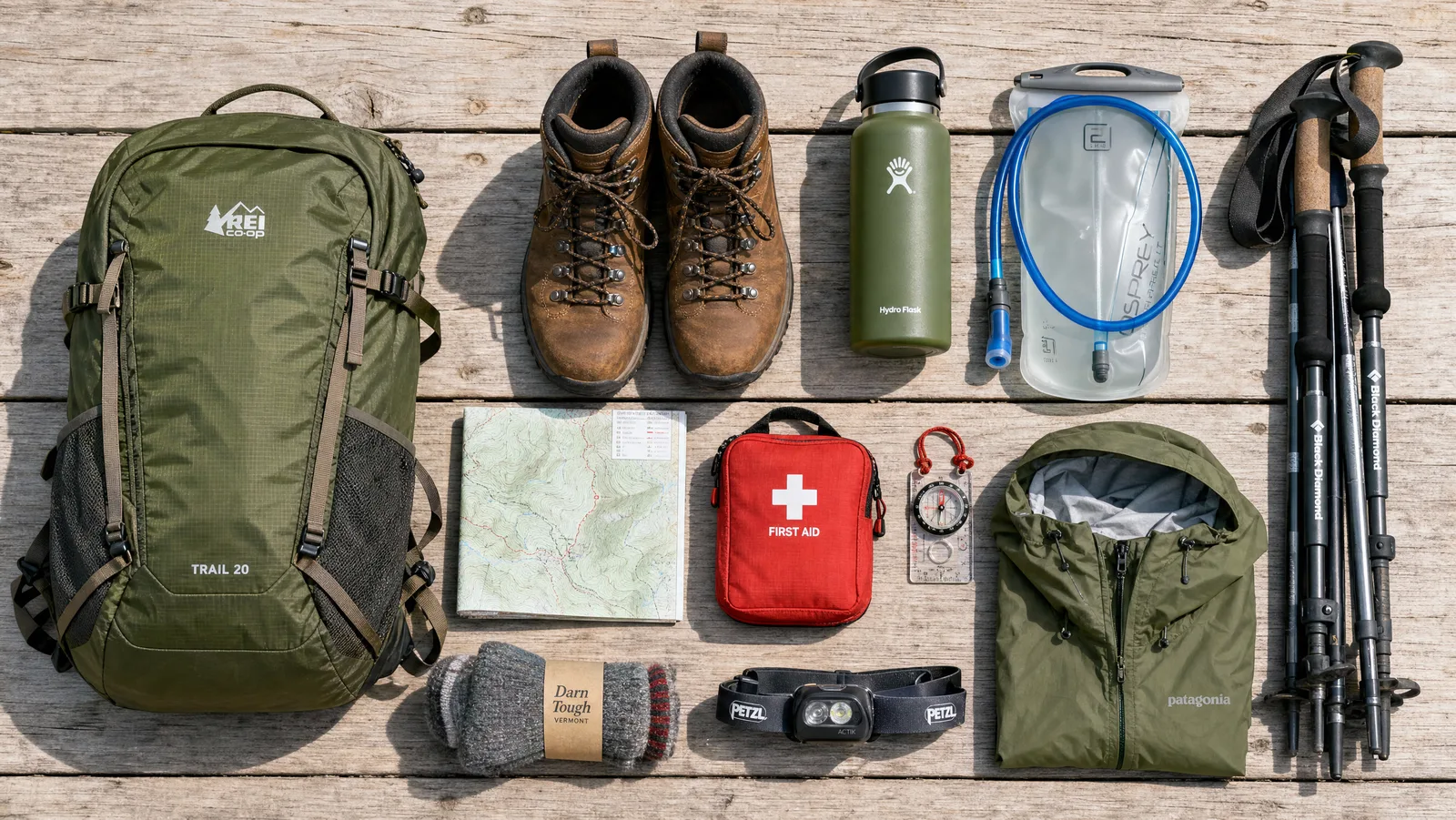
A reservoir is one piece of a complete kit—see our hiking gear for beginners checklist and day hiking gear list for the full picture, and if you prefer drinking from a bottle, compare our favorite hiking water bottles.

How to choose a hydration bladder

  • Capacity — 2L covers most day hikes; carry 3L for hot, dry, or long routes where refills are scarce. As a rule of thumb, plan on about 0.5L of water per hour on the trail.
  • Hose and bite valve — a longer hose makes it easier to drink without breaking stride. Look for a high-flow bite valve with an on/off lock so it won't drip inside your pack.
  • Filling and cleaning — a wide slide-seal or screw top is far easier to fill, dry, and scrub than a small port. All three picks below open wide.
  • Material safety — choose a reservoir that's certified BPA-, BPS-, and phthalate-free so nothing leaches into your water.
  • Durability and weight — thicker film survives being shoved into a loaded pack; lighter film saves grams. Pick based on how rough you are on gear.

Here are my three picks ↓

Should you use a bladder or a bottle?

Both work. A bladder wins for hands-free sipping and for squeezing water into a packed bag, which usually means you drink more. Bottles are easier to clean, easier to refill from a stream or filter, and let you see exactly how much water you have left. Many hikers carry a bladder for drinking plus a spare bottle for mixing electrolytes—see our water bottle picks if you want one of each.

Frequently asked questions

How much water should I carry on a day hike? A 2L bladder is plenty for most day hikes. For a long or strenuous day in the heat, go with 3L or plan a refill point along the way.

How do I keep a hydration bladder clean? Empty and air-dry it fully after every hike to prevent mildew—prop it open with a clip or whisk. For deep cleans, use warm water with a little baking soda or a dedicated cleaning tablet, and store it in the freezer between trips to stop growth.

Will any bladder fit my pack? Most 2–3L reservoirs fit standard hydration sleeves, but check your pack's listed capacity and hose-port side before buying.

CamelBak Crux 3L Hydration Reservoir

Our Pick
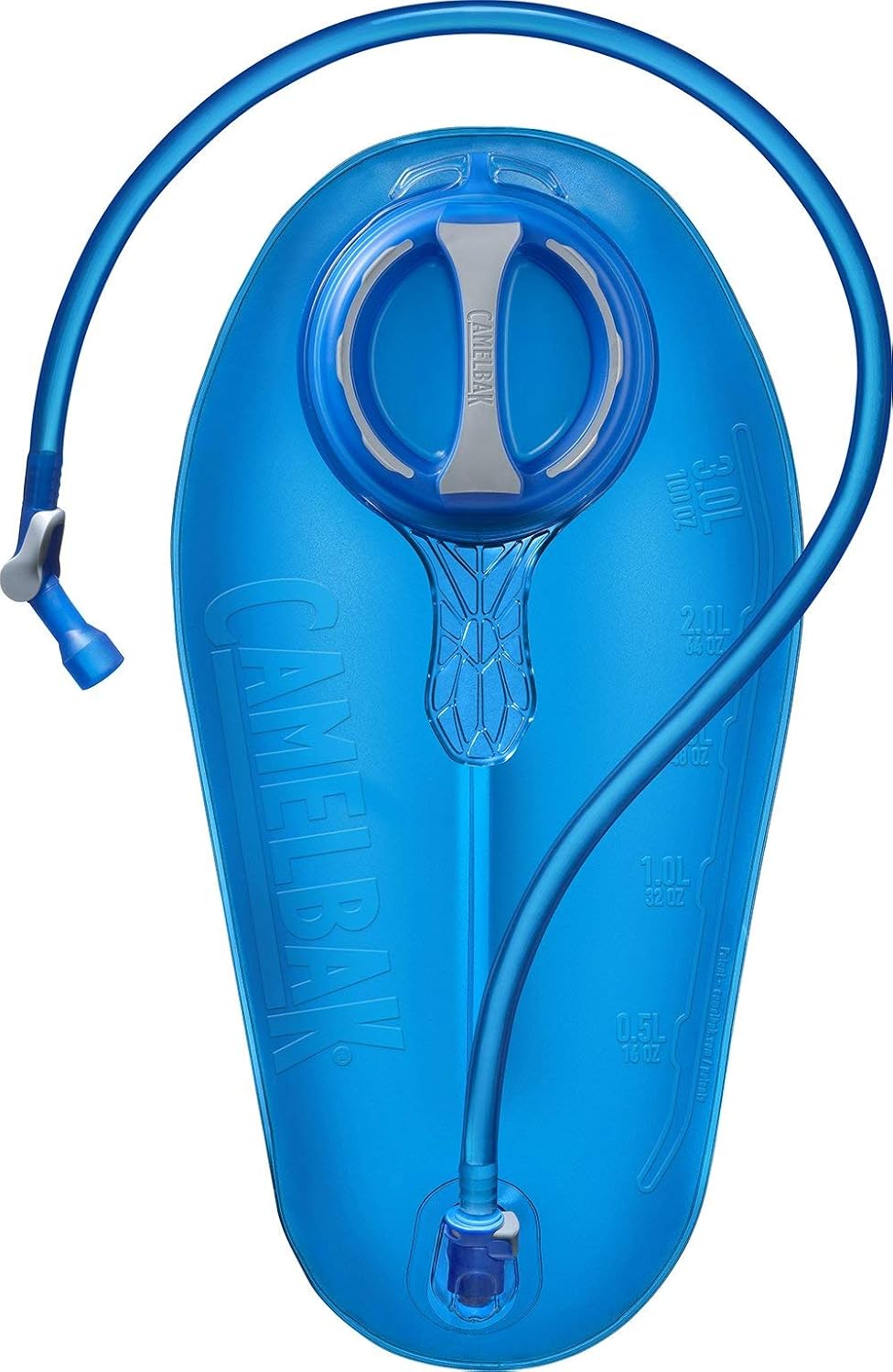
Cover Image for CamelBak Crux 3L Hydration Reservoir
CamelBak Crux 3L Hydration Reservoir (100 oz)
CamelBak Crux 3L Hydration Reservoir

The CamelBak Crux is the bladder I reach for on long, hot days.

* Price as of

The CamelBak Crux is the bladder I reach for on long, hot days. Its redesigned Crux baffle delivers about 20% more water per sip, and the leak-proof cap and on/off lever let you seal the tube shut with one hand. The wide fill port makes topping up and drying easy, and like every pick here it's BPA-, BPS-, and BPF-free. At 3 liters it's the highest-capacity option on this list—ideal when refills are far apart.

What we like

Sturdy, high-flow, and genuinely easy to fill and clean—it slides into a full pack without fuss and CamelBak backs it with a lifetime warranty.

Osprey Hydraulics Reservoir

Also Great
Cover Image for Osprey Hydraulics Reservoir
Osprey Hydraulics Water Reservoir / Hydration Bladder (2–3L)
Osprey Hydraulics Reservoir

Osprey's Hydraulics reservoir is built around a rigid HydroStatic backerplate that keeps it flat and easy to slide into a stuffed pack.

* Price as of

Osprey's Hydraulics reservoir is built around a rigid HydroStatic backerplate that keeps it flat and easy to slide into a stuffed pack. The Slide-Seal top opens wide for fast filling and thorough cleaning, and the Hydrapak Blaster bite valve has a quarter-turn on/off switch for smooth, drip-free flow. A magnetic sternum clip keeps the hose in place while you walk, and all parts are BPA-free and food-safe.

What we like

The backerplate makes loading into a packed bag effortless, and the wide opening makes it one of the easiest reservoirs to keep clean and dry.

Nathan 2L Replacement Bladder

Best Value
Cover Image for Nathan 2L Replacement Bladder
Nathan Replacement Bladder – 2 Liter for Hydration Vests & Packs
Nathan 2L Replacement Bladder

The Nathan 2L is a simple, affordable bladder that's a great fit for smaller daypacks and running vests.

* Price as of

The Nathan 2L is a simple, affordable bladder that's a great fit for smaller daypacks and running vests. The quick-release hose, high-flow bite valve, and wide fill opening make it easy to use and clean, and it's BPA-free. It's designed to drop into Nathan vests but works in most packs that take a 2L reservoir.

What we like

Easy to fill through the big opening, the bite valve flows well, and the quick-release hose makes cleaning painless—an easy pick for shorter days.

Review of What We Liked

Our Pick

CamelBak Crux 3L Hydration Reservoir

Cover Image for CamelBak Crux 3L Hydration Reservoir

* Price as of on Amazon

The CamelBak Crux is the bladder I reach for on long, hot days.

Also Great

Osprey Hydraulics Reservoir

Cover Image for Osprey Hydraulics Reservoir

Osprey's Hydraulics reservoir is built around a rigid HydroStatic backerplate that keeps it flat and easy to slide into a stuffed pack.

Best Value

Nathan 2L Replacement Bladder

Cover Image for Nathan 2L Replacement Bladder

* Price as of on Amazon

The Nathan 2L is a simple, affordable bladder that's a great fit for smaller daypacks and running vests.

About the Author

Image for Author Victoria Miller

Victoria Miller

Victoria Miller is passionate about literature and outdoor adventures. After completing her undergraduate studies at the University of Utah, she spent a year traveling and hiking throughout New Zealand and Europe. She is an avid reader and has a penchant for escaping into worlds of her own creation.
Read next

Guide

Best Budget Hiking Boots in 2026

Genuinely capable hiking boots under $100 exist in 2026 — we've spent time digging through the current market to surface six pairs that deliver on the trail. Waterproofing, real traction, and a stable...

Image for Author Victoria Miller
Victoria Miller
Guide

Best Hiking Boots for Men in 2026

We've tested and researched men's hiking boots across every budget and terrain type, and the honest conclusion is this: cut, waterproofing level, and outsole compound matter more than brand loyalty. T...

Image for Author Victoria Miller
Victoria Miller
Guide

Best Hiking Boots for Wide Feet in 2026

Finding the best hiking boots for wide feet is harder than it should be. Most boots are built on a standard "D" (medium) last, which means millions of hikers with slightly broader feet end up sque...

Image for Author Victoria Miller
Victoria Miller
Guide

Best Hiking Boots for Women in 2026

Finding the best hiking boots for women is about matching a boot to your foot shape, the terrain you walk, and the mileage you plan to cover. Boots built on a women's last use a narrower heel, low...

Image for Author Victoria Miller
Victoria Miller
Guide

Best Waterproof Hiking Boots in 2026

Wet feet can ruin a hike faster than almost anything else. We've tested and researched the top options for 2026 to bring you five boots that deliver real waterproof protection without sacrificing comf...

Image for Author Victoria Miller
Victoria Miller
Guide

Best Women's Hiking Shoes in 2026

The best women's hiking shoes deliver a low-cut, agile feel that is lighter and faster-drying than a traditional boot—without giving up the traction and support you need on the trail. We've resear...

Image for Author Victoria Miller
Victoria Miller
Guide

Hiking Boots vs Hiking Shoes vs Trail Runners

Choosing the right footwear is the single most important gear decision before hitting the trail. The wrong choice leads to blisters, fatigue, and twisted ankles — the right one means you barely think ...

Image for Author Victoria Miller
Victoria Miller
Guide

Hiking Footwear: How to Choose the Right Boots and Shoes

Your feet are the engine of every hike. Get the footwear right and you can happily cover ten miles on rough terrain; get it wrong and a two-mile walk turns into a blister-and-agony slog. This is our c...

Image for Author Victoria Miller
Victoria Miller
Guide

Hiking Gear for Beginners: The Complete Checklist

Staring at a wall of gear at the outdoor store—or an endless scroll of "must-have" hiking products online—is enough to make anyone want to stay on the couch. The good news? You need far less than the ...

Image for Author Victoria Miller
Victoria Miller
Guide

How Hiking Boots Should Fit: Sizing and Break-In Guide

Getting the right fit in a hiking boot is the single most important thing you can do before hitting the trail. Blisters, black toenails, and heel slip don't happen because you're unlucky — they happen...

Image for Author Victoria Miller
Victoria Miller