Hiking Gear for Beginners: The Complete Checklist

Staring at a wall of gear at the outdoor store—or an endless scroll of "must-have" hiking products online—is enough to make anyone want to stay on the couch. The good news? You need far less than the internet wants you to believe. This is the complete hiking gear for beginners checklist: every essential for a safe, comfortable day on the trail, what actually matters when you buy it, and what you can skip until you're hooked.
This article contains affiliate links. We may earn a commission if you make a purchase through our links, at no extra cost to you.
We've organized everything around the gear that keeps you safe, comfortable, and on-trail, with links to our in-depth guides for each category so you can go as deep as you like. Treat this page as your hub—skim the checklist, then dive into the detailed roundups.
The beginner hiking gear checklist (at a glance)
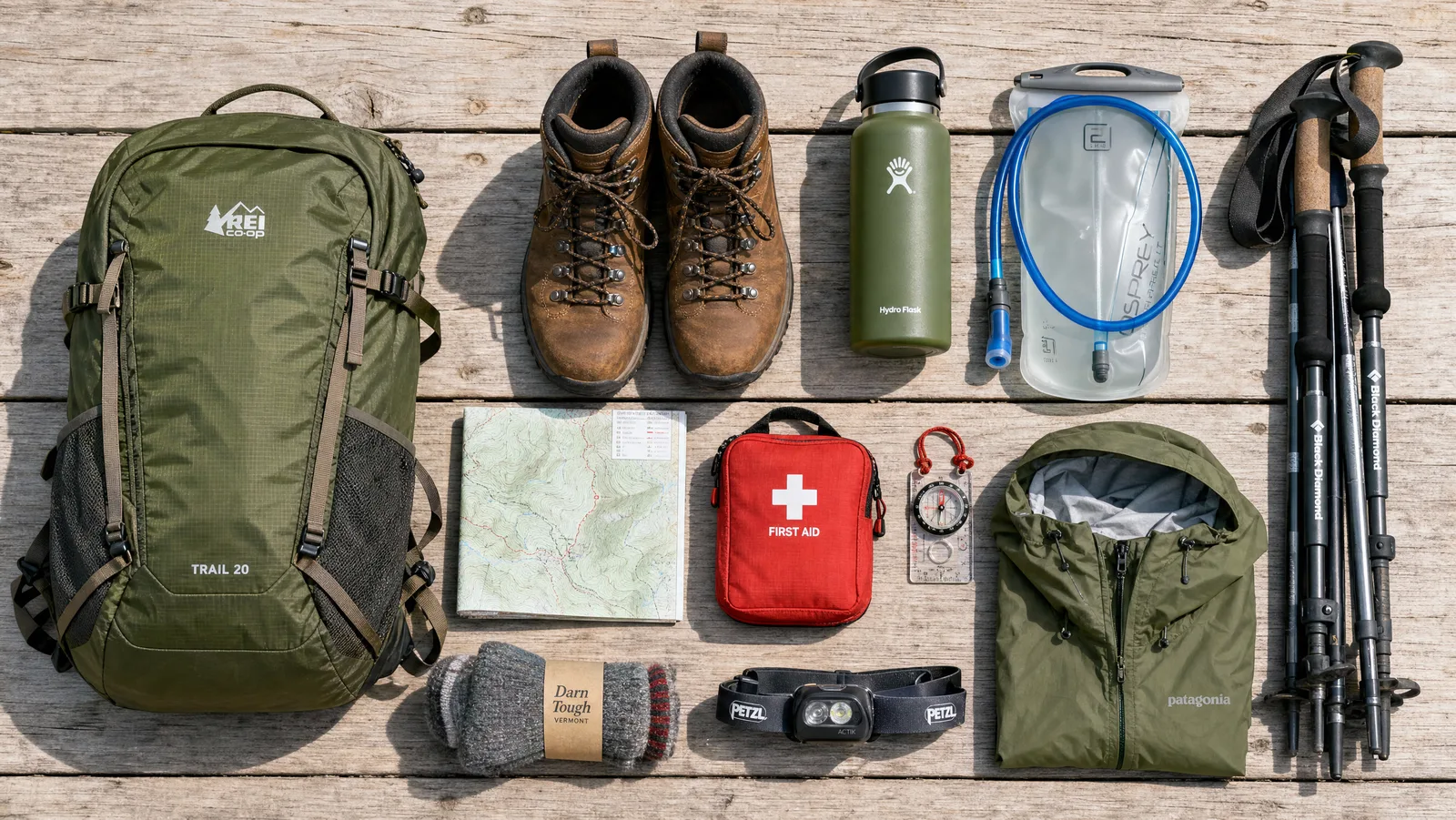
For a standard day hike on a marked trail, here's the short list. We break each item down below.
- Footwear: trail shoes or hiking boots + proper hiking socks
- The pack: a 15–25L daypack
- Water: a bottle or hydration bladder (and a way to treat water on longer routes)
- Navigation: map, compass, and/or GPS—plus a charged phone
- Safety: a compact first-aid kit, headlamp, and emergency communication on remote trails
- Clothing: moisture-wicking layers and a packable rain shell
- Support: trekking poles for steep or long days
- Nutrition: more food and water than you think you'll need
New hikers often over-buy electronics and under-buy the two things that decide whether you have a good day: what's on your feet and how much water you carry. Start there.
Start with the "Ten Essentials"
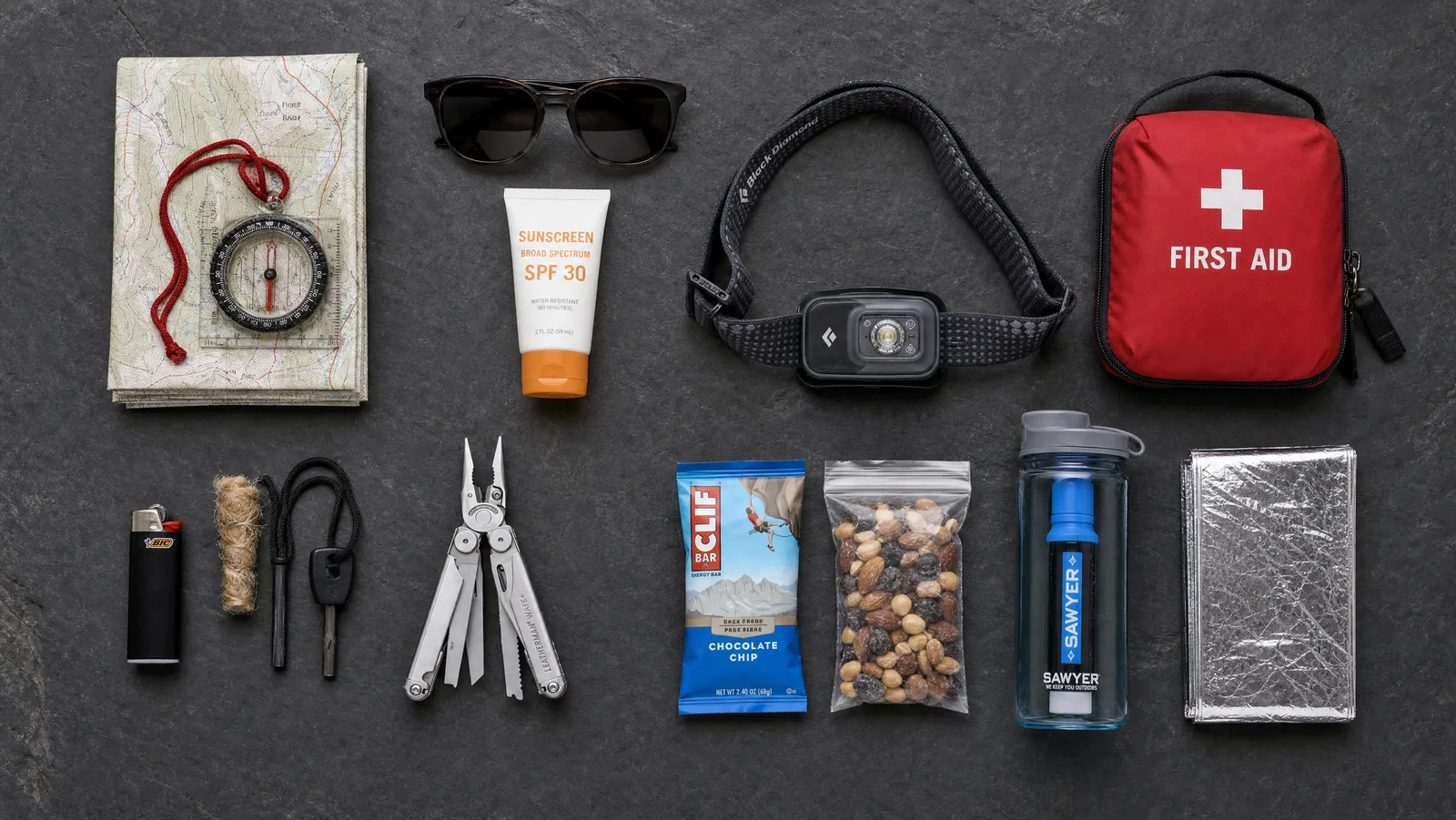
Before any specific product, learn the framework that experienced hikers and search-and-rescue teams swear by: the Ten Essentials—ten categories of gear that let you handle an unexpected night out or an emergency. It's the single most important concept for staying safe, and it's worth reading before your first hike. Our full breakdown of the Ten Essentials for hiking explains each category and how to scale it to your trip.
If you remember nothing else: navigation, sun protection, insulation, light, first aid, fire, repair kit, nutrition, hydration, and emergency shelter. Everything below maps back to these ten.
Footwear: the most important purchase you'll make
Nothing ruins a hike faster than blisters or sore feet. Your footwear is where a beginner budget should go first.
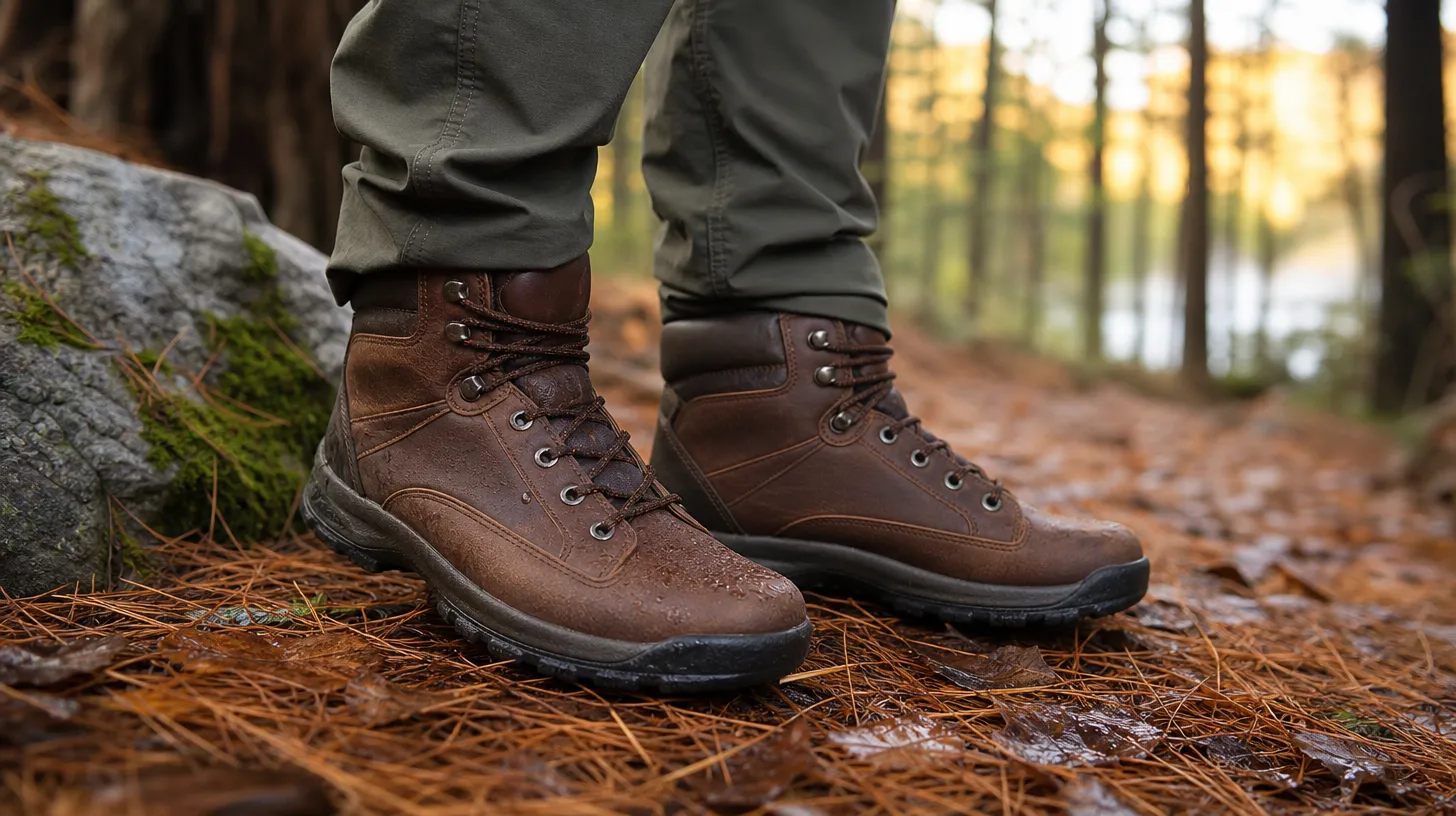
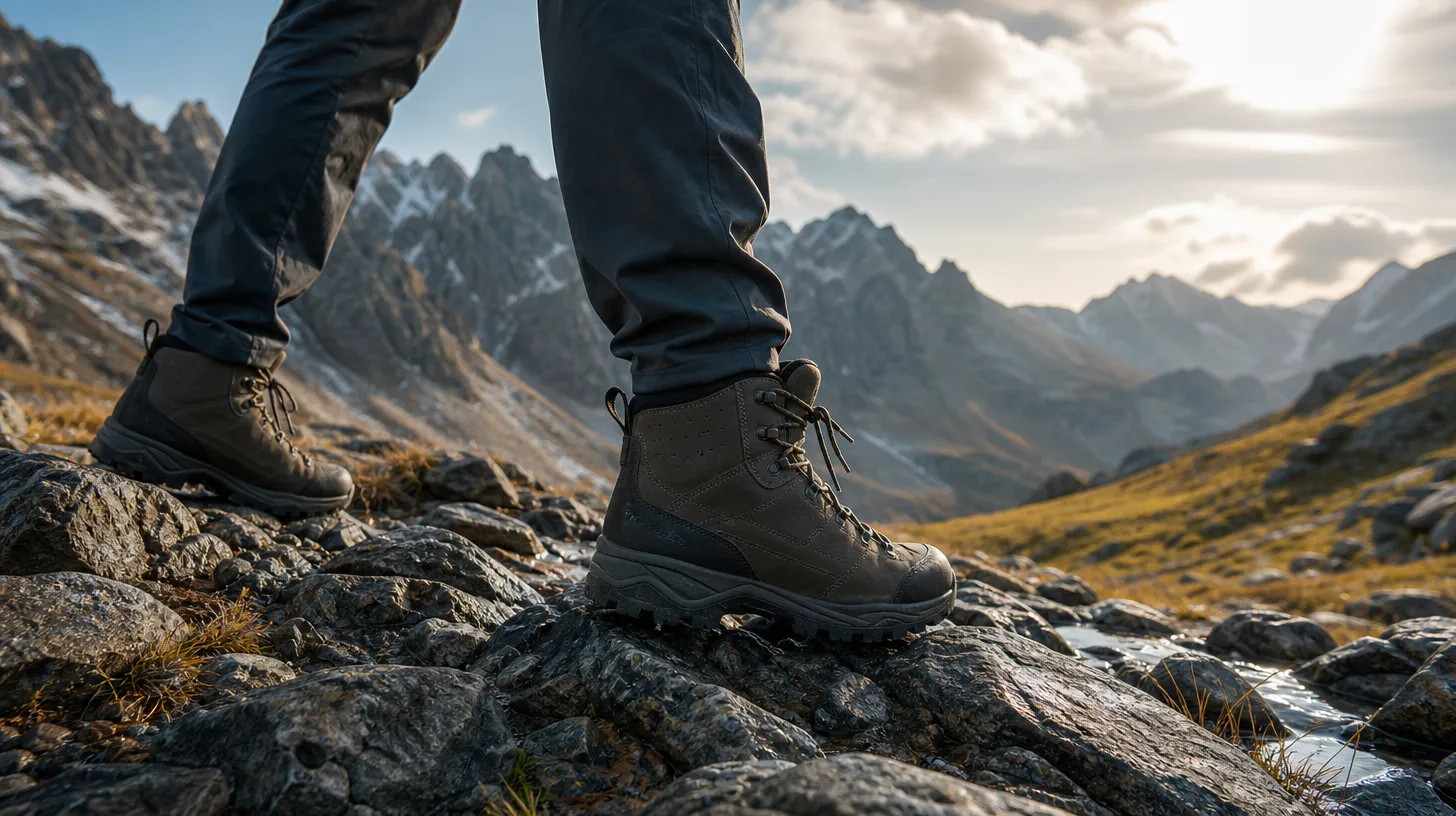
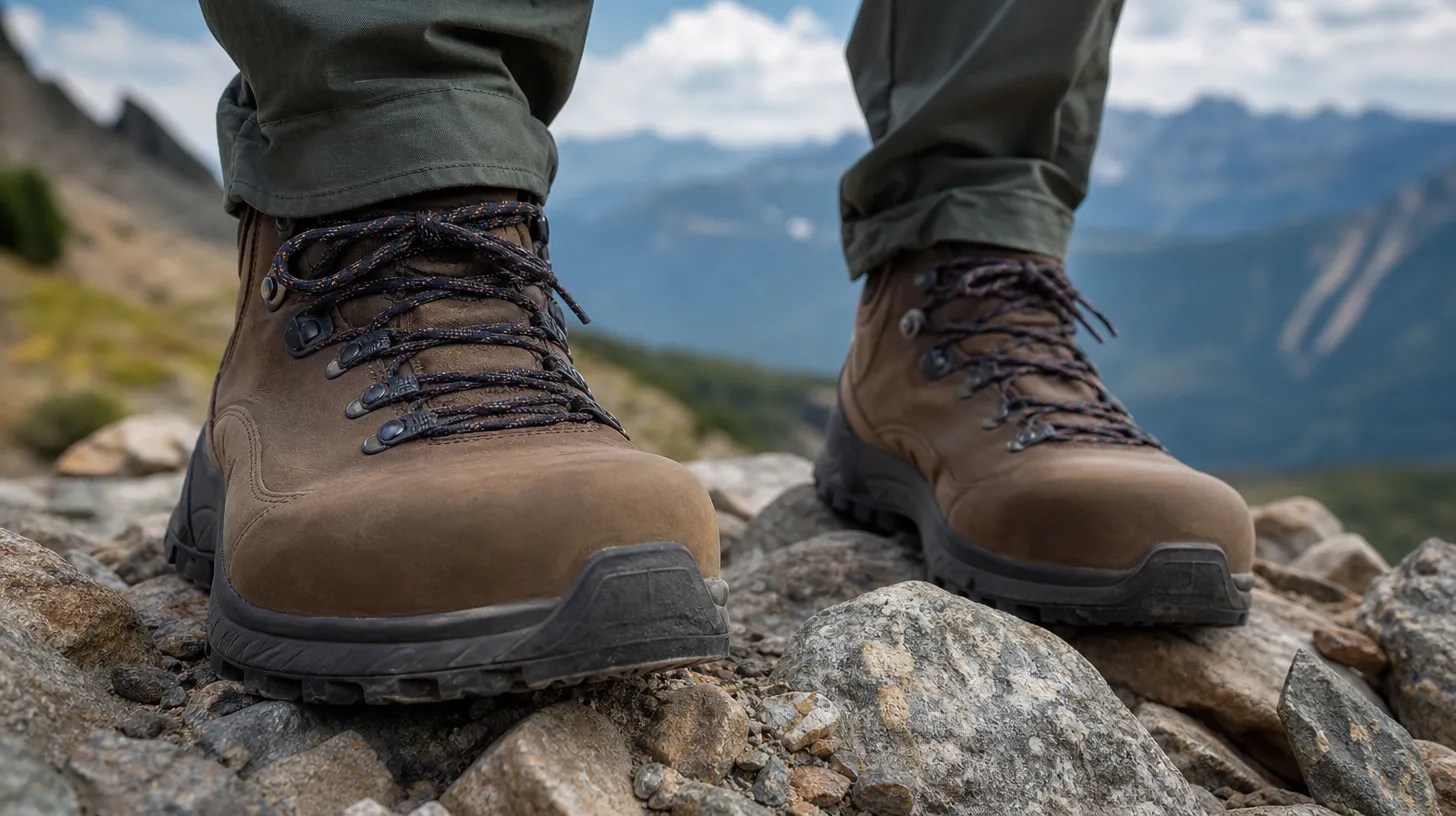
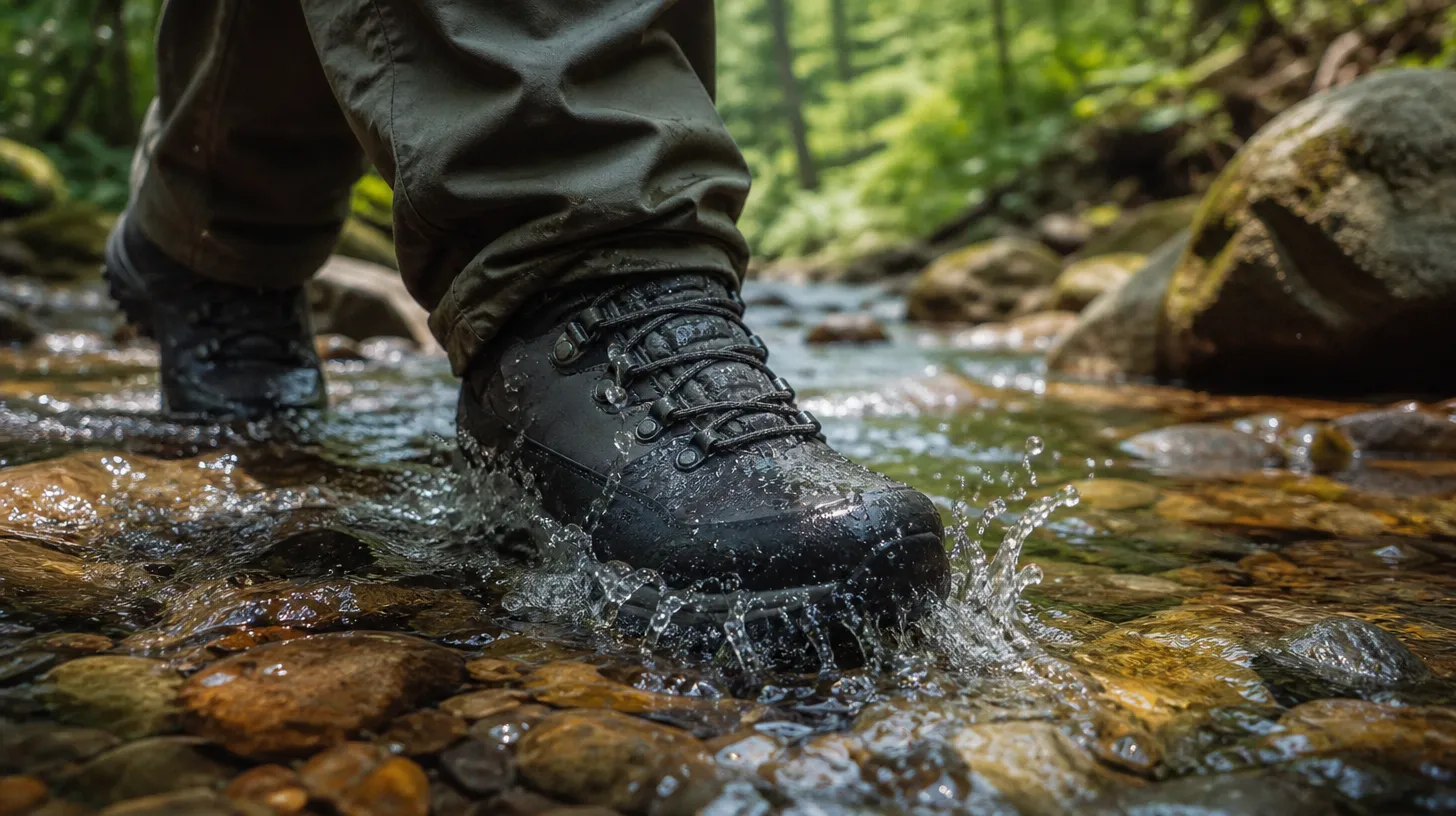
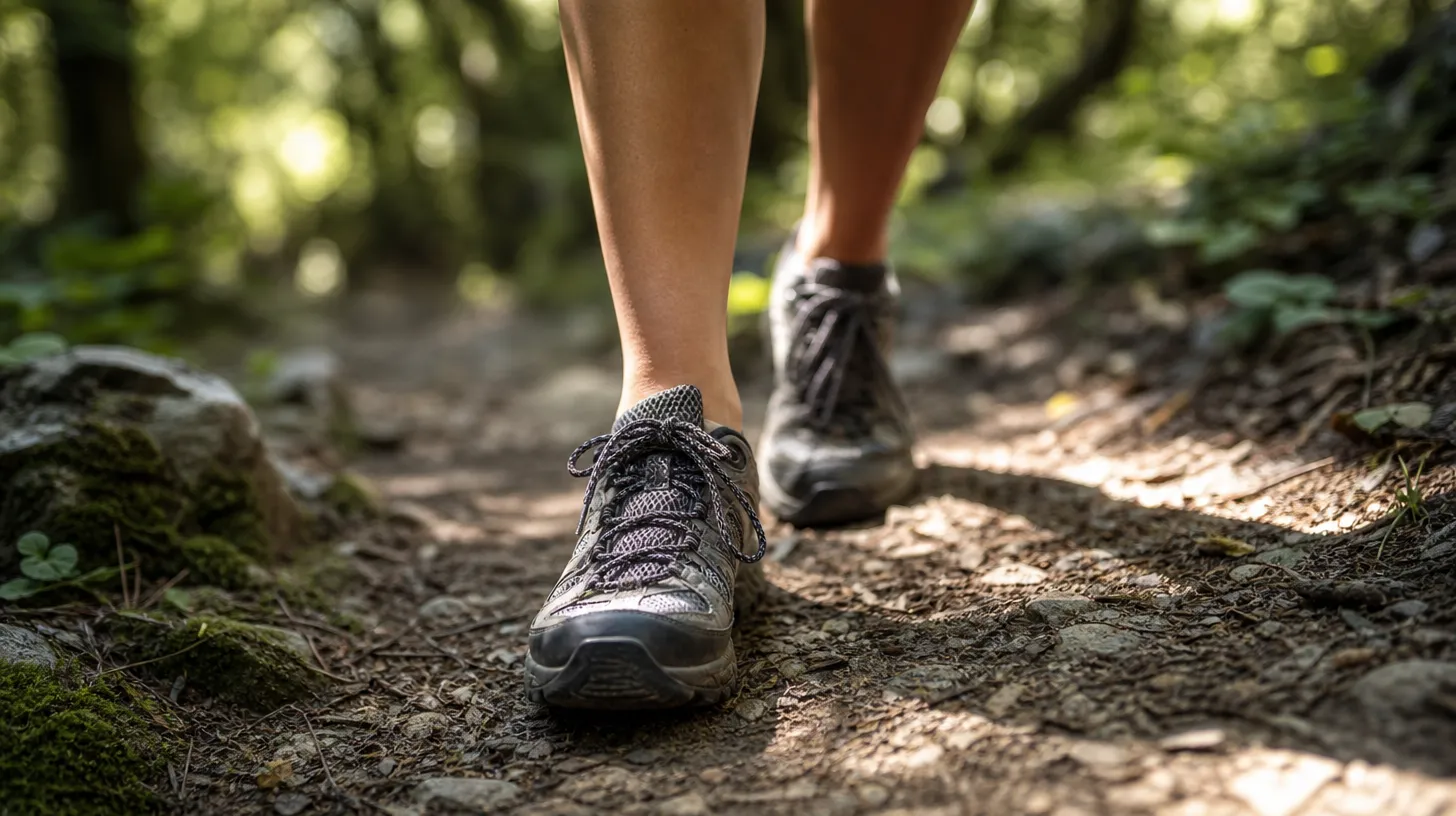
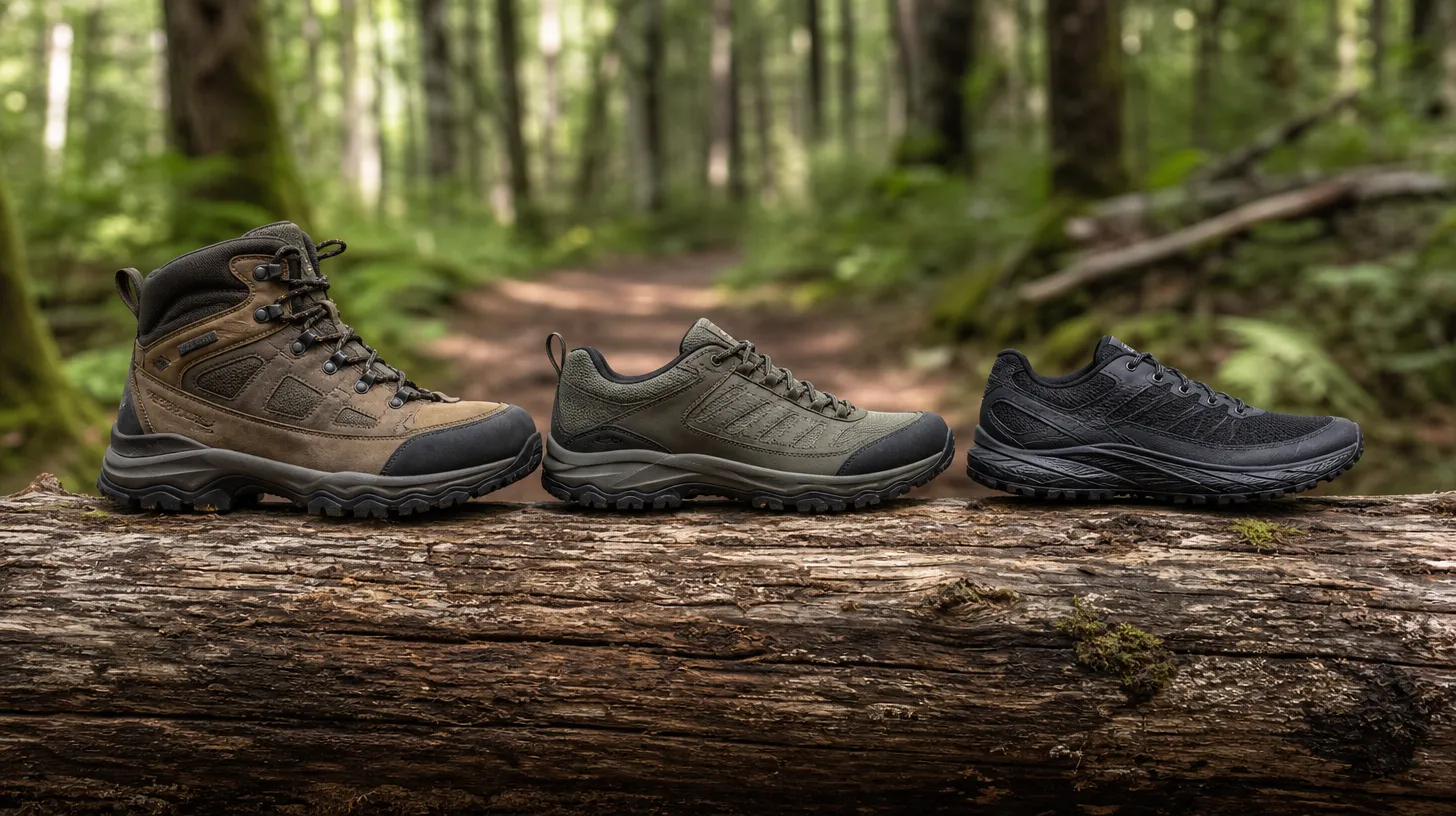
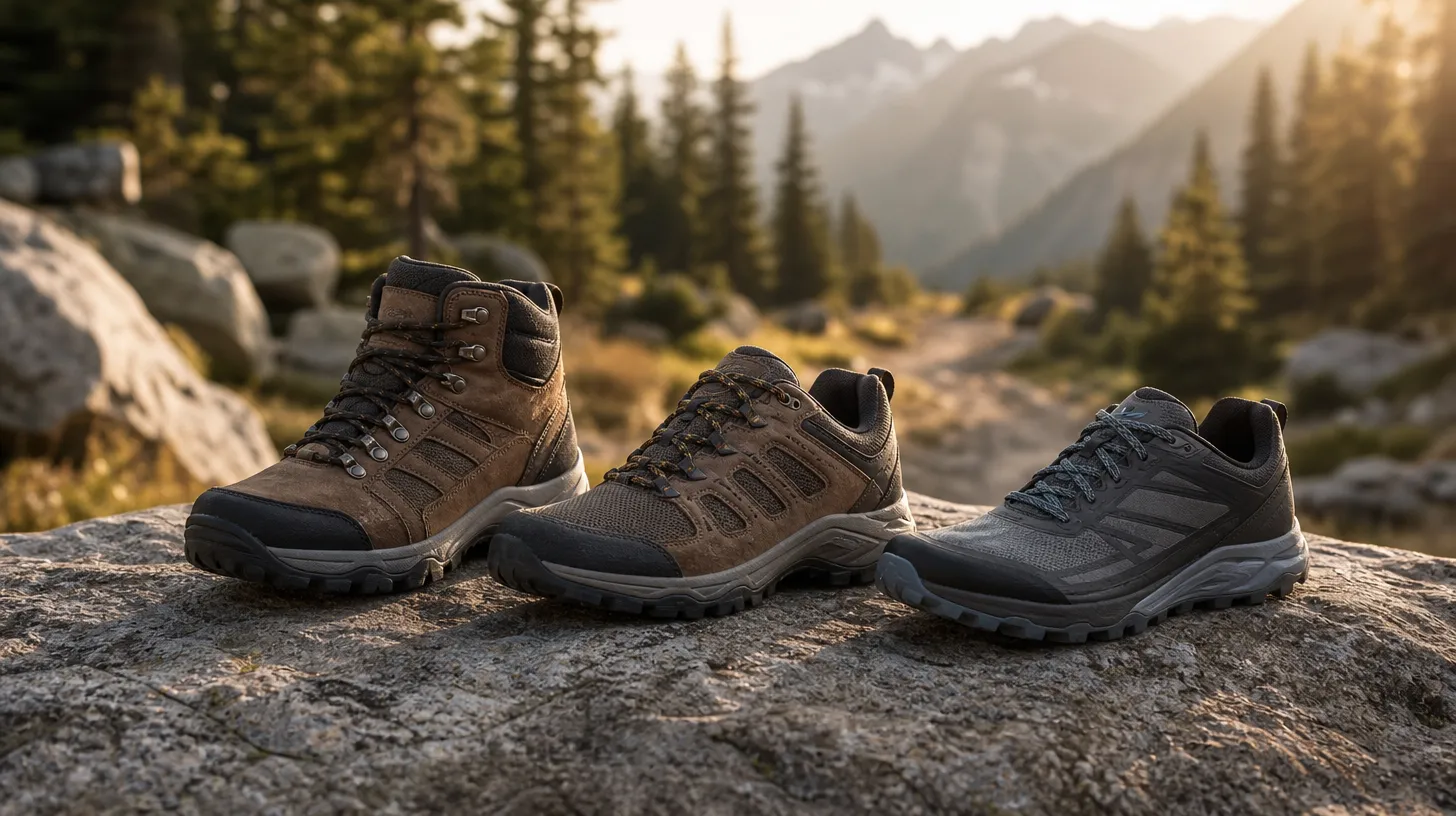
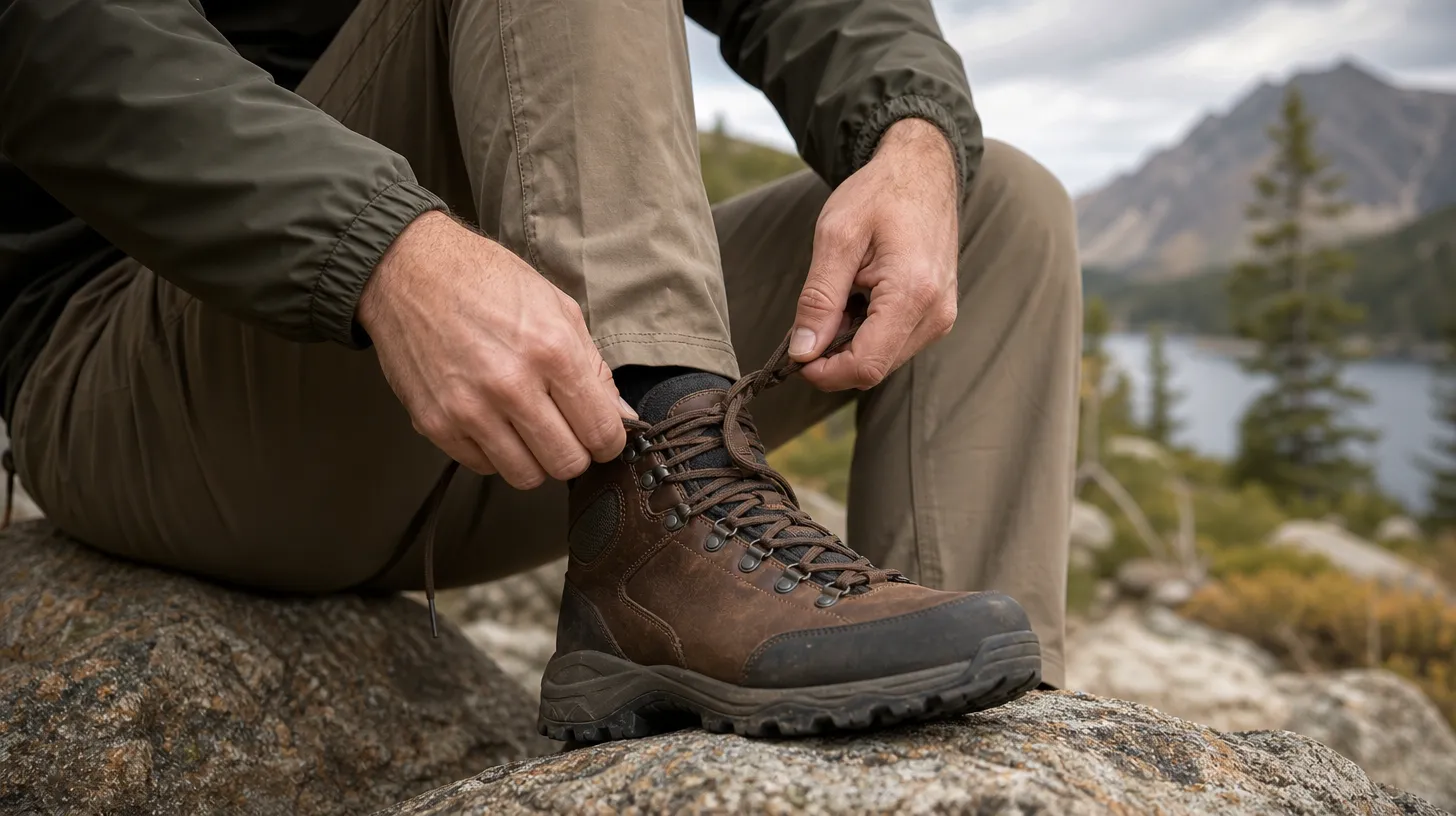
- Boots vs. trail shoes: Boots add ankle support and protection for rocky, off-trail, or heavy-pack days. Lightweight trail shoes are cooler, faster to break in, and plenty for most maintained day trails. If you're choosing your first pair, our guide to the best men's hiking shoes walks through fit, traction, and waterproofing.
- Socks matter as much as shoes. Cotton holds sweat and causes blisters—skip it. A good merino or synthetic sock is a cheap upgrade with an outsized payoff. See our picks for the best moisture-wicking hiking socks for women.
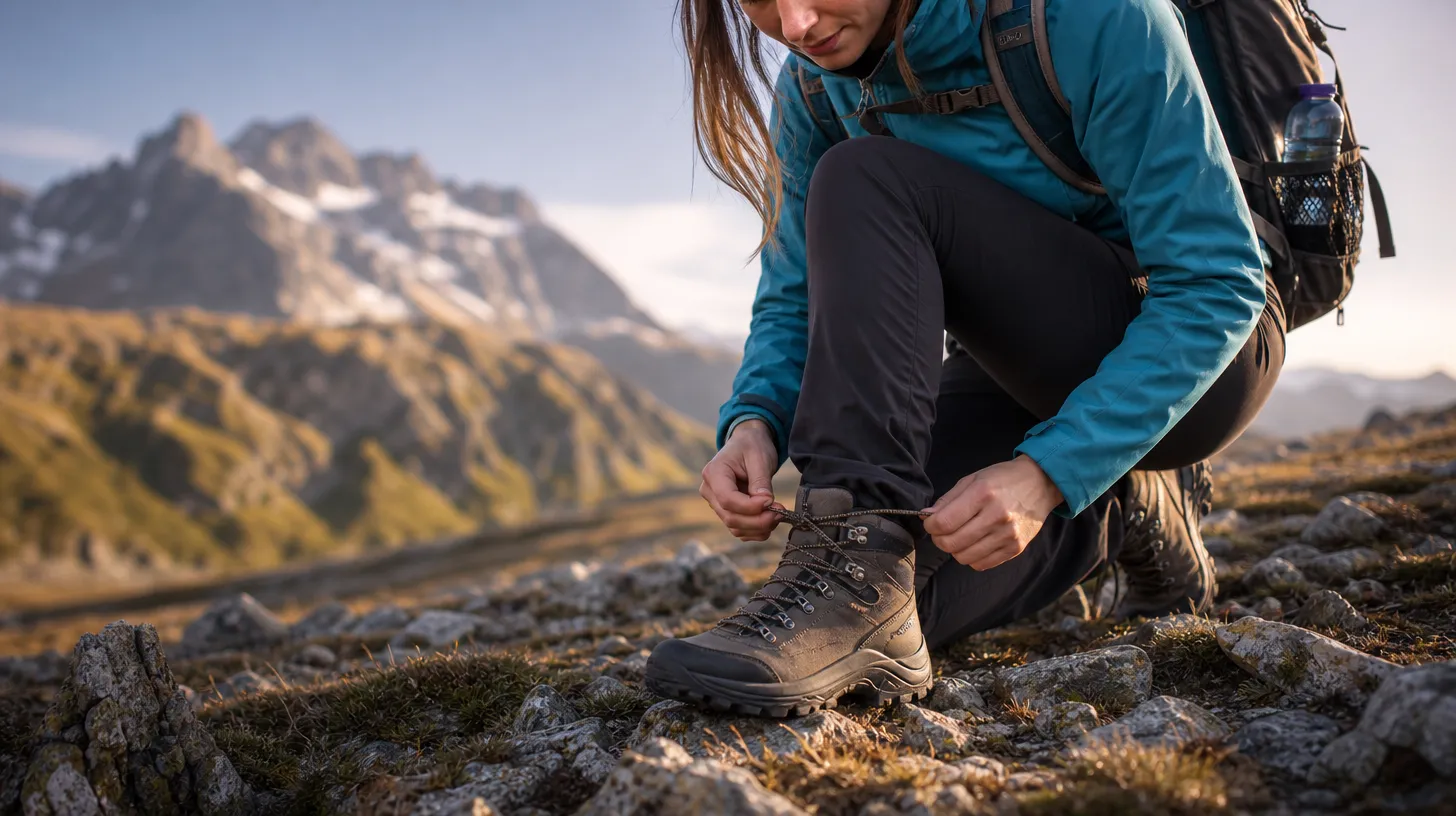
Buying tip: shop for footwear late in the day when your feet are slightly swollen, wear your hiking socks, and leave a thumb's width at the toe.
The pack: your beginner daypack
For day hikes, a 15–25 liter pack carries water, snacks, layers, and the Ten Essentials without tempting you to overload. Look for a padded hip belt (it moves weight off your shoulders), a sternum strap, and a sleeve for a hydration bladder.
A great starter option that won't break the bank is the RealCool 20L Lightweight Hiking Daypack (around $27, currently in stock)—light, water-resistant, and right-sized for beginners. When you're ready to compare more options and fits, read our roundup of the best daypacks for your next hike.
Water: hydration is non-negotiable
Dehydration is the most common reason new hikers feel awful on the trail. A rough rule is about half a liter (17 oz) of water per hour of moderate hiking, more in heat.
- Bottles are simple, durable, and easy to monitor. A classic wide-mouth like the Nalgene Sustain 32oz (around $15) is nearly indestructible. More ideas in our guide to water bottles that make hiking better.
- Hydration bladders let you sip hands-free through a hose—great for staying on pace. Compare capacities and features in our top hydration bladders for hiking.
- On longer or backcountry routes, carry a way to treat water. A filter straw or squeeze filter weighs almost nothing and turns any stream into a refill.
Navigation: don't rely on one battery
Phones die and lose signal. Carry a paper map and compass as backup, and learn the basics of using them. A dedicated GPS or a downloaded offline map app covers the day-to-day.
On remote trails with no cell coverage, a satellite communicator lets you call for help when nothing else can. It's the gear that turns a worst-case scenario into a survivable one—our guide explains how to hike safely with an emergency satellite communicator.
Safety: small kit, big payoff
- First-aid kit: A compact, hike-specific kit handles blisters, scrapes, and sprains. Don't carry a kit you don't know how to use—read the labels at home first. See our picks for the best hiking first-aid kits.
- Headlamp: Even on a day hike, a hike that runs long can leave you in the dark. A lightweight headlamp (with fresh batteries) is a Ten Essentials must.
- Sun protection: sunscreen, lip balm, sunglasses, and a brimmed hat.
Clothing: layer, and ditch the cotton
The trail can swing from cold-and-windy to hot-and-sweaty in an hour. The fix is layering:
- Base layer that wicks sweat (merino or synthetic—never cotton)
- Insulating layer like a fleece or light puffy for breaks and summits
- Shell to block wind and rain
A packable rain jacket lives in your pack year-round. For a full season-by-season system, see our guide to what to wear hiking.
Support: trekking poles
Poles take strain off your knees on descents, add stability on loose terrain, and help you set a rhythm on long climbs. They're optional for short, flat walks and genuinely game-changing on steep or all-day routes. Compare options in our roundup of the best trekking poles.
Nutrition: fuel and electrolytes
Pack more food than the hike seems to need—trail mix, bars, a sandwich, and a couple of "emergency" calories that stay in your pack. On hot or strenuous days, add electrolytes to your water to replace what you sweat out.
Do it on a budget
You do not need premium gear to start. Borrow or buy used for big-ticket items, prioritize footwear and water, and add the rest as you go. We put together a complete beginner hiking gear list on a budget showing exactly where to spend and where to save.
Print it and go
Want a no-fuss version to check off before you leave the house? Our day hiking gear list is a printable checklist you can run through in five minutes.
Frequently asked questions
What gear do I actually need for my first hike? For a short, marked day trail in good weather: comfortable trail shoes, hiking socks, a daypack, enough water, snacks, a basic first-aid kit, sun protection, a rain layer, and a charged phone with an offline map. That's it. Add the rest of the Ten Essentials as your trips get longer or more remote.
Do beginners need hiking boots or are shoes fine? For most maintained day trails, lightweight trail shoes are plenty and more comfortable out of the box. Choose boots if you'll carry a heavy pack, hike off-trail, or want extra ankle support on rocky terrain.
How much water should I bring? Plan for roughly half a liter per hour of moderate hiking, and more in heat or at altitude. On longer routes, carry a lightweight filter so you can refill from streams.
What should I not waste money on as a beginner? Ultralight specialty gear, a second pair of "backup" boots, and gadgets you won't use. Spend on footwear, socks, and water first—comfort and safety come before everything else.
The bottom line
A good beginner hiking kit is simple: take care of your feet, carry enough water, pack the Ten Essentials, and dress in layers. Start with the basics on this checklist, use the linked guides to choose specific gear when you're ready, and upgrade as you log more miles. The best gear is the gear that gets you out the door—so pick a trail and go.
About the author
Victoria Miller
Victoria Miller is passionate about literature and outdoor adventures. After completing her undergraduate studies at the University of Utah, she spent a year traveling and hiking throughout New Zealand and Europe. She is an avid reader and has a penchant for escaping into worlds of her own creation.