What to Wear Hiking

New hikers almost always make the same clothing mistake: they dress for the temperature at the trailhead. Twenty minutes into the climb they're soaked in sweat; an hour later, stopped at a windy overlook, they're shivering. The fix isn't one perfect jacket—it's a layering system you add and shed as you go. Here's exactly what to wear hiking, in any season.
This article contains affiliate links. We may earn a commission if you make a purchase through our links, at no extra cost to you.
This guide is part of our complete hiking gear for beginners checklist. Get your clothing system right and you'll be comfortable across a much wider range of conditions than any single garment can handle.
The one rule: no cotton
Start here because it matters most. Cotton absorbs sweat and rain, stays wet, and pulls heat away from your body—the phrase "cotton kills" exists for a reason. Choose merino wool or synthetic fabrics for everything that touches your skin. They wick moisture, dry fast, and keep insulating even when damp.
The three-layer system
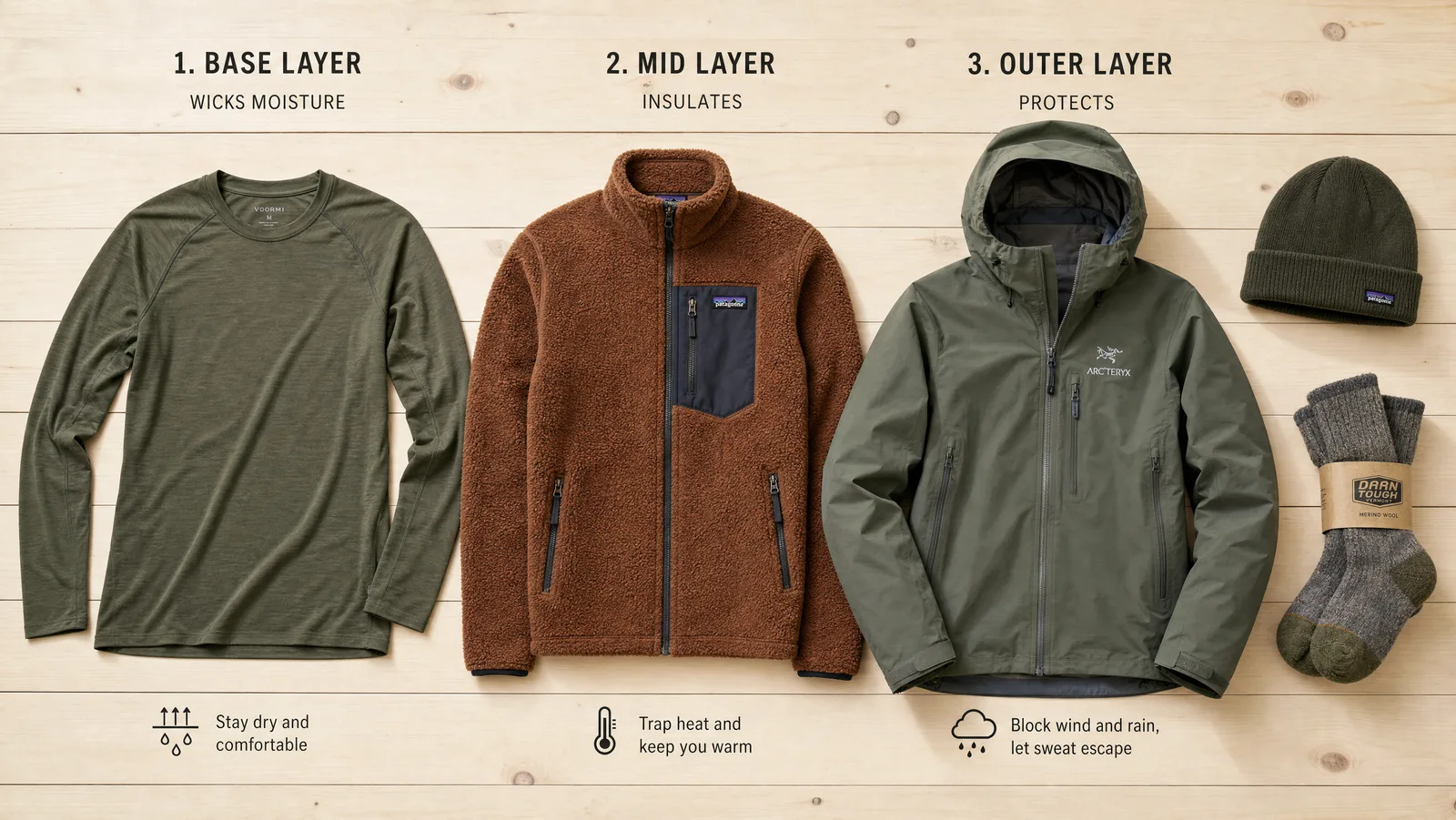
Think of your hiking clothes as three layers you mix and match:
1. Base layer (manage moisture)
This sits against your skin and moves sweat away from your body. A merino or synthetic top—like this affordable base layer set—is your year-round foundation. In summer it might be your only top; in winter it's layer one of three.
2. Mid layer (insulate)
This traps warm air. A fleece or light puffy jacket is the classic choice—breathable, warm, and easy to stuff in your pack when you heat up on a climb. You add it at breaks and summits and take it off when you're moving hard.
3. Shell (block wind and rain)
Your outer layer defends against wind and precipitation. A packable waterproof shell such as a Frogg Toggs rain jacket lives in your pack on every hike, even when the forecast looks clear. Wind alone can chill you fast on an exposed ridge.
The magic is in adjusting. Start a climb slightly cold—you'll warm up in minutes. Shed a layer before you're drenched in sweat, and add one before you're shivering. Most hikers stop to adjust layers several times on a single hike, and that's exactly how it should work.
Don't forget the extremities
- Socks: non-cotton, cushioned, and fitted. See our picks for moisture-wicking hiking socks.
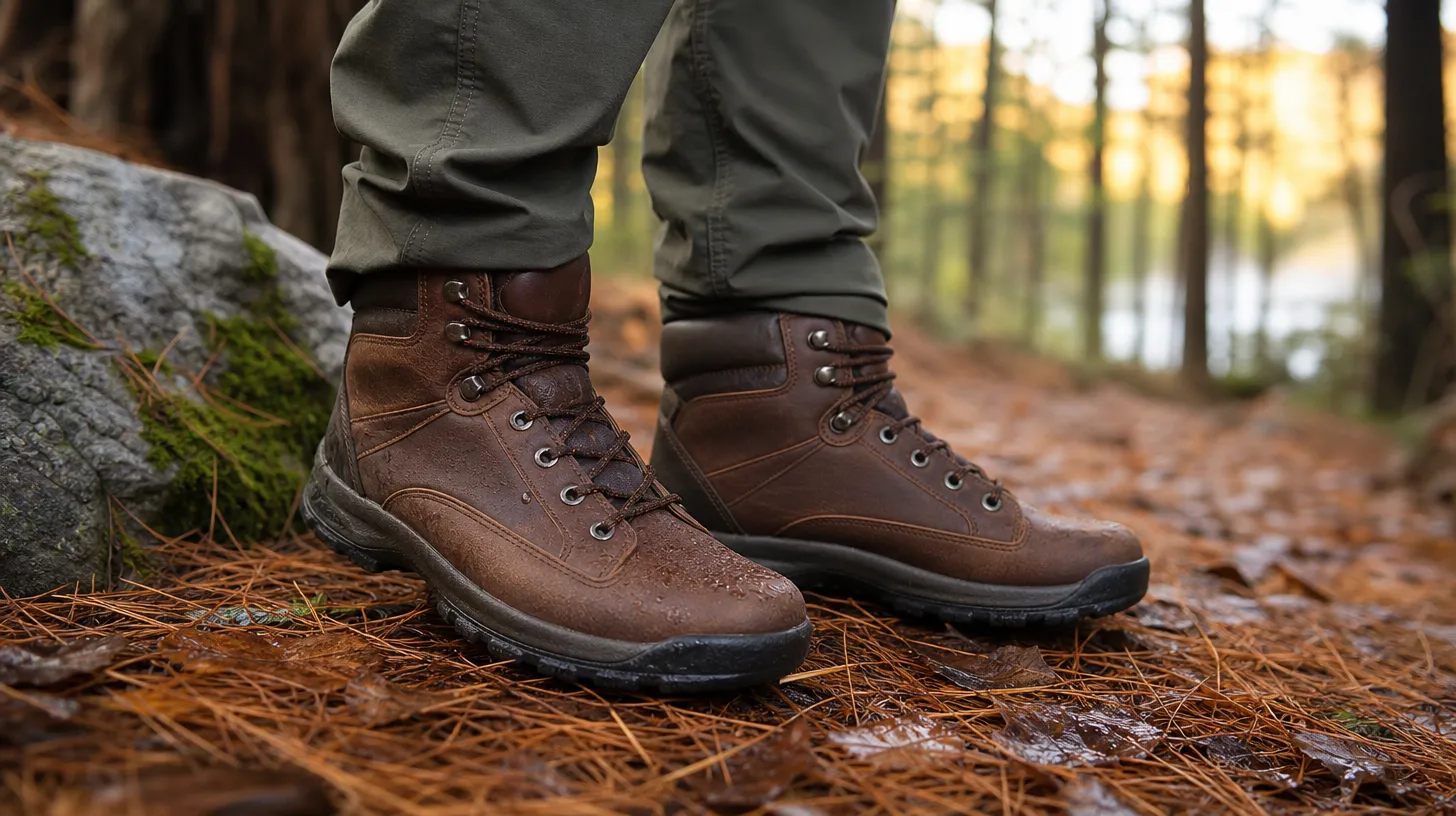
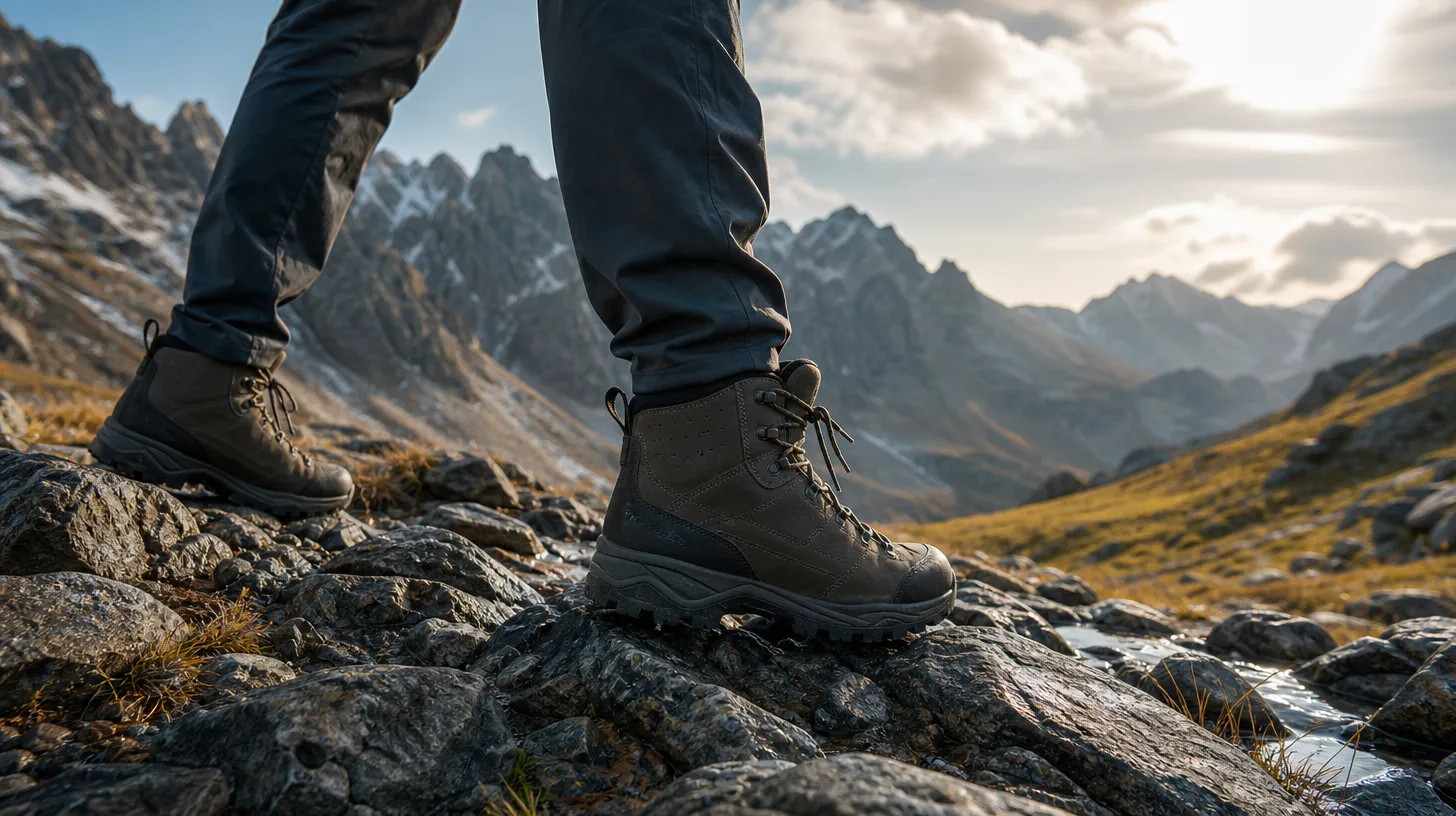
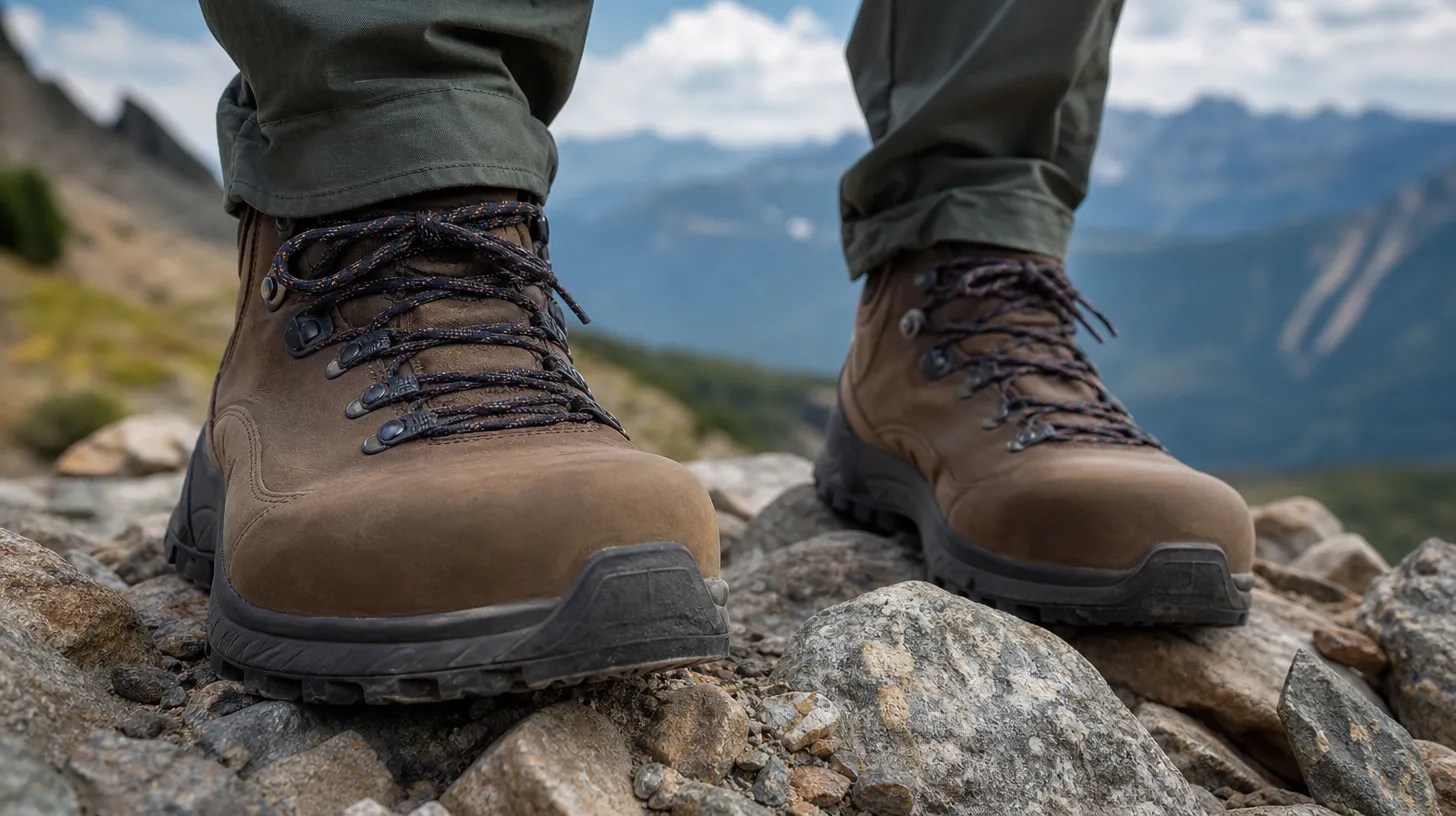
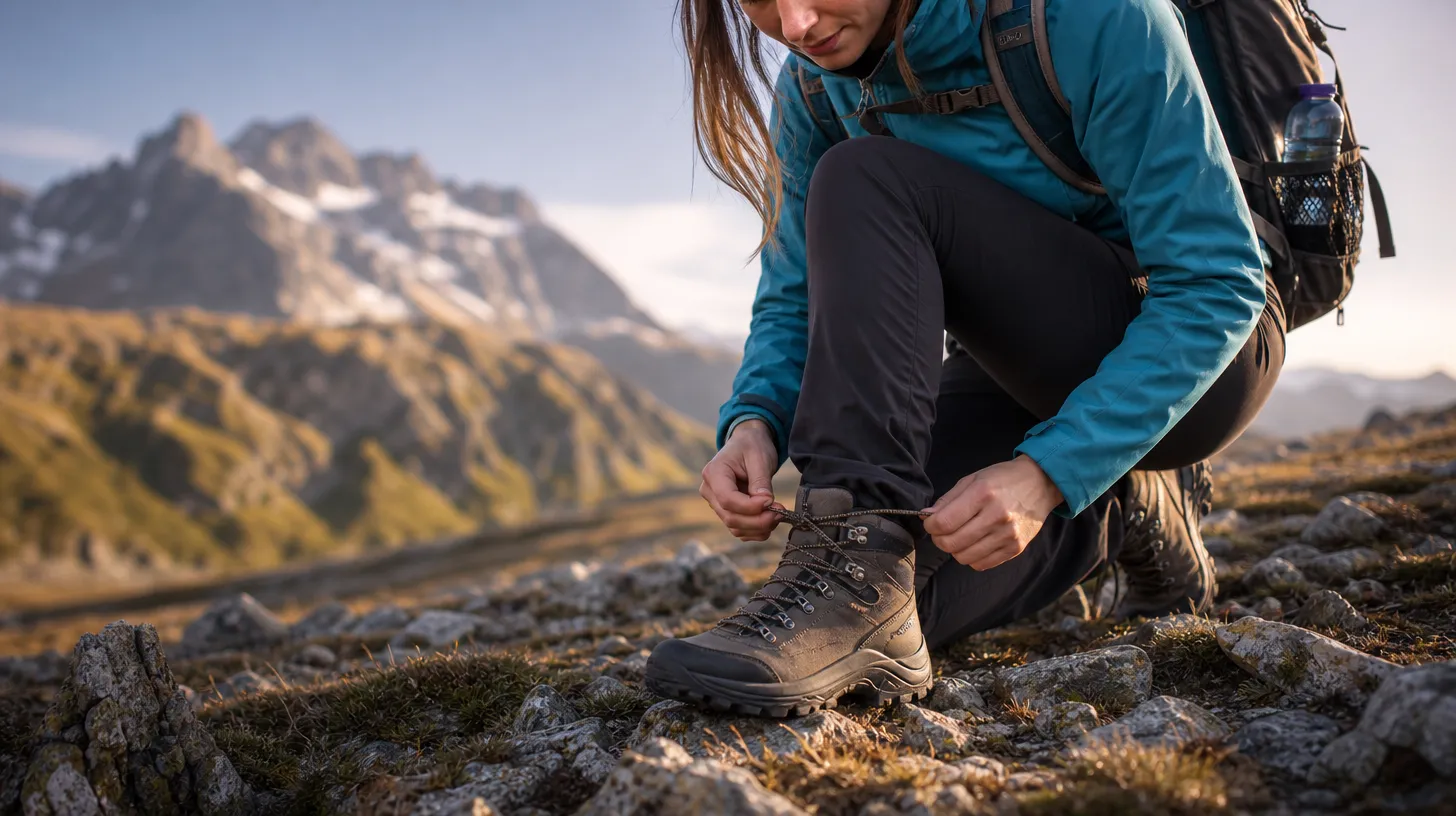
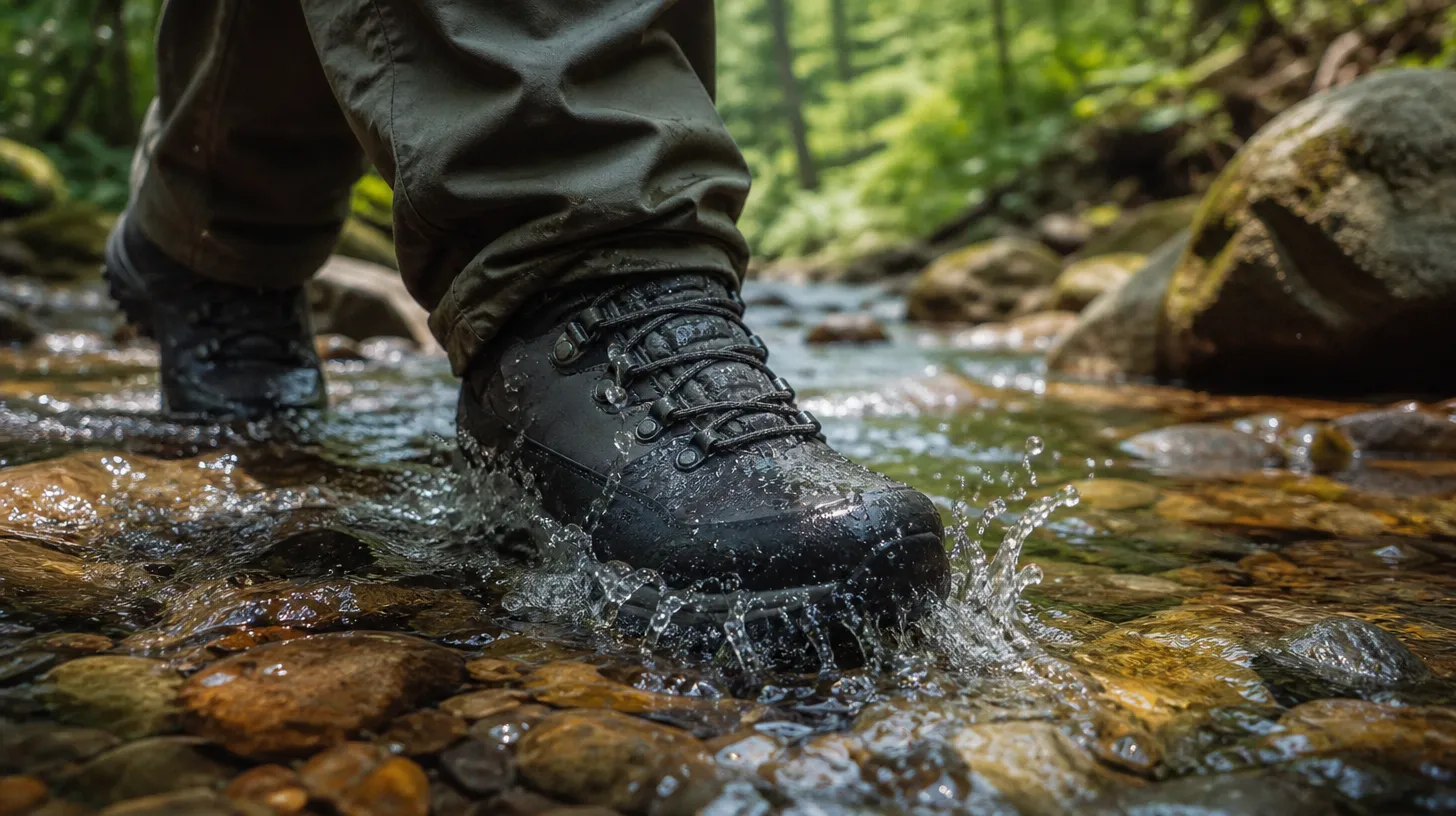
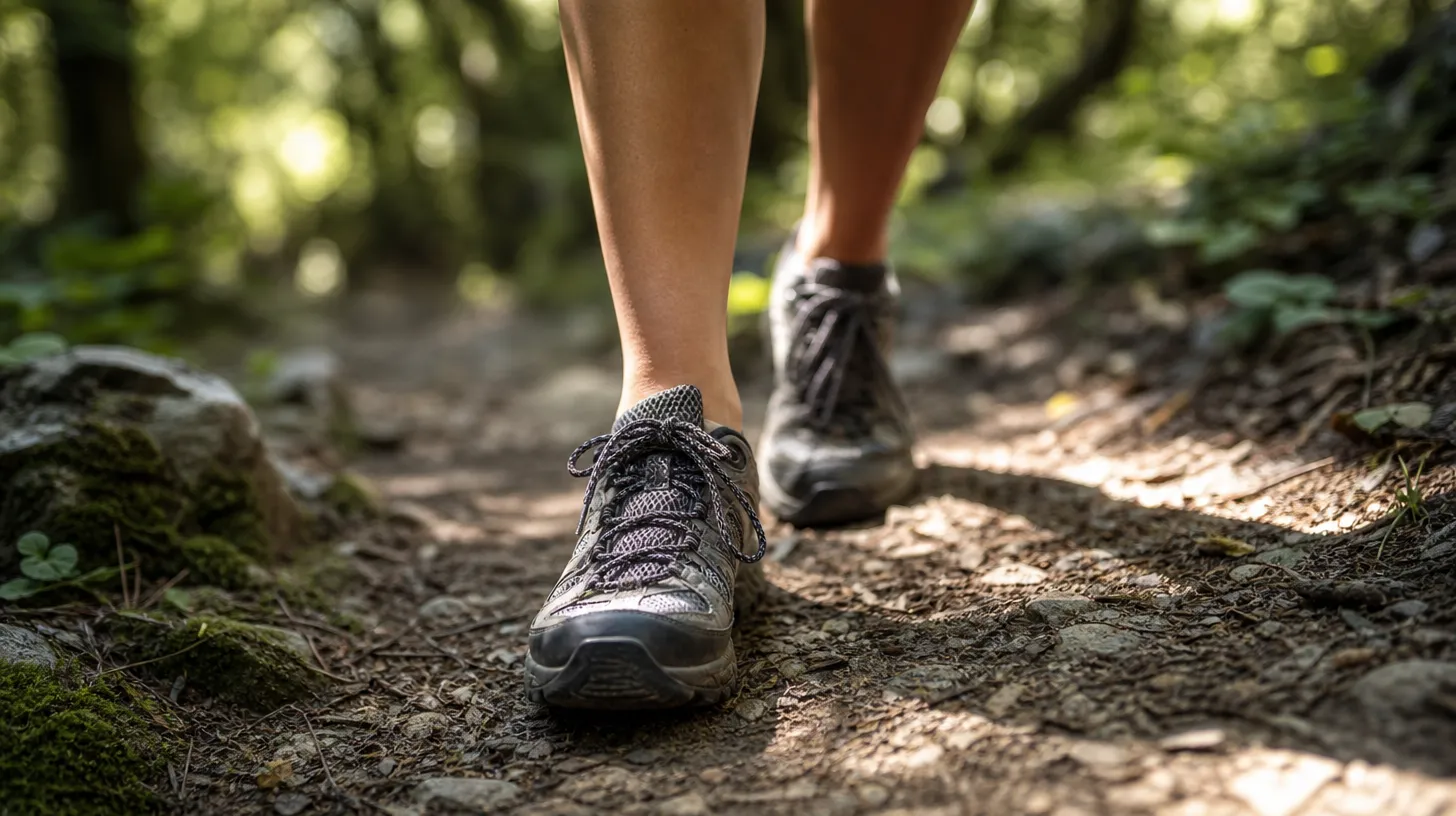
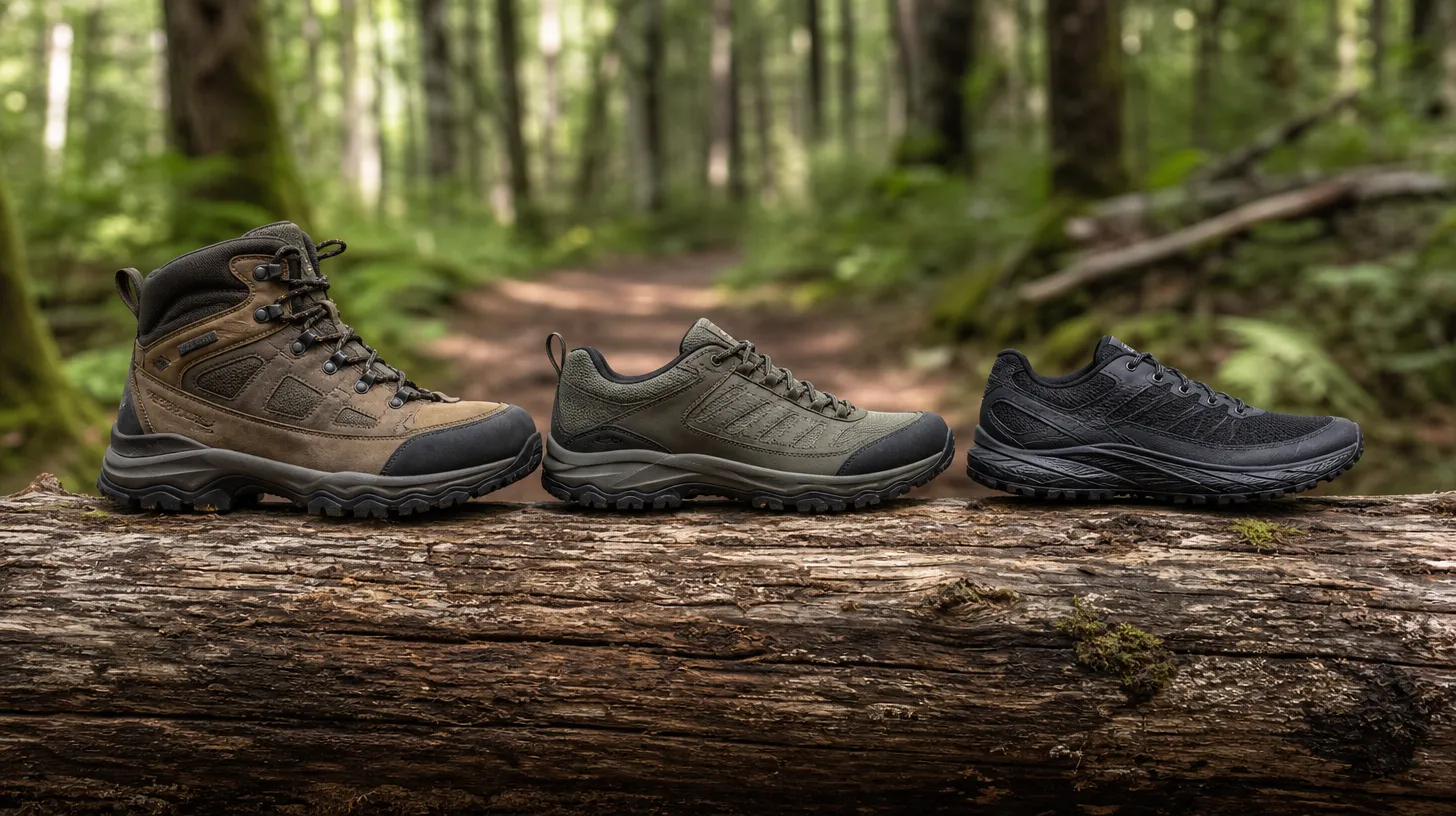
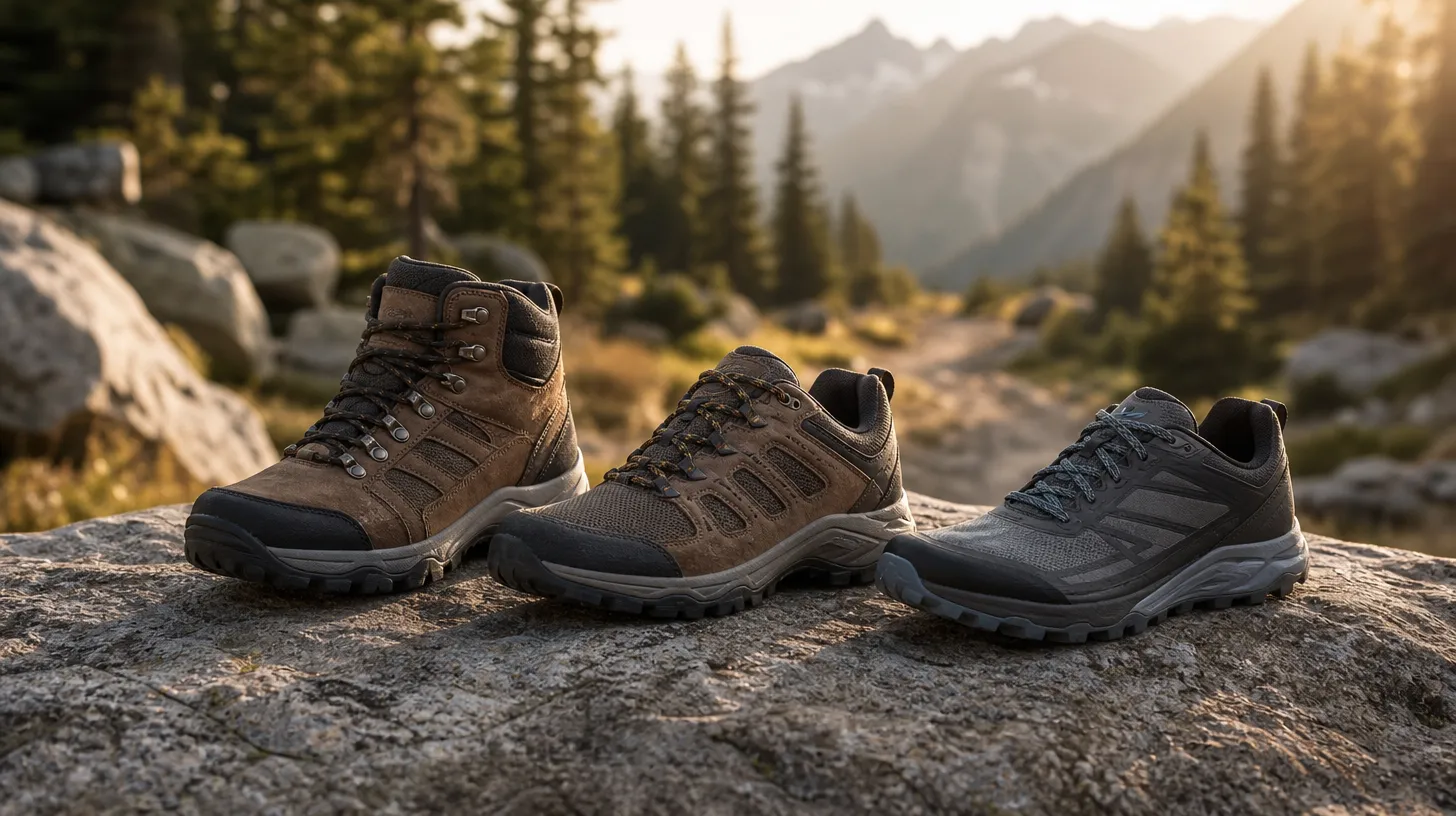
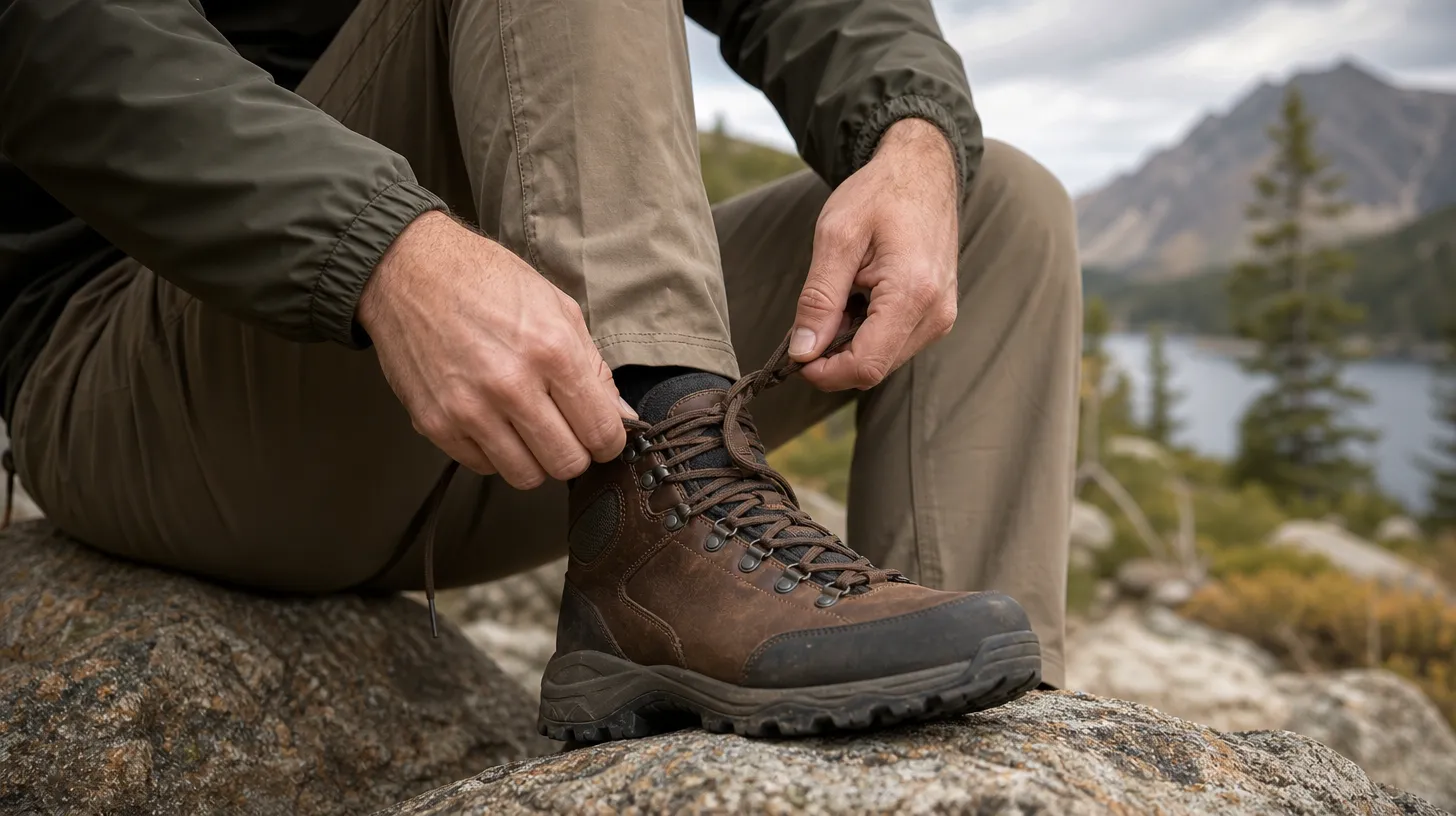
- Footwear: trail shoes or boots that fit—our hiking shoes guide helps you choose.
- Head and hands: a warm beanie and light gloves pack tiny and add a lot of comfort; a brimmed hat shades you in sun.
- Bottoms: synthetic hiking pants, leggings, or shorts—anything quick-drying and not cotton.
What to wear by season
Spring & fall
The trickiest seasons—warm sun, cold shade, surprise showers. Run the full three layers and expect to adjust often. A warm hat and gloves earn their place in your pack.
Summer
Lightweight wicking base layer, sun protection (hat, sunglasses, sunscreen), and—still—a packable shell for afternoon storms and breezy summits. Heat is its own hazard: light colors, sun sleeves, and extra water matter.
Winter
Layer up: a warmer base layer, a substantial insulating mid layer (or two), and a windproof/waterproof shell, plus insulated hat and gloves. Avoid sweating—vent and shed layers early, because wet clothing in the cold is dangerous.
Rain
Waterproof shell on top, quick-dry layers underneath, and a brimmed cap to keep rain off your face. Accept that you'll get a little damp and focus on staying warm, not bone-dry.
Common clothing mistakes
- Wearing cotton (jeans, cotton tees, cotton socks). Don't.
- Dressing for the trailhead instead of the whole hike's range of temps.
- Overdressing and overheating—sweat-soaked layers chill you the moment you stop.
- Leaving the rain shell at home because the forecast "looked fine."
Frequently asked questions
What should I wear on my first easy hike? A synthetic or merino t-shirt, comfortable non-cotton bottoms, wicking socks, trail shoes, and a packable rain/wind layer in your pack. Add a light fleece if it's cool.
Are jeans OK for hiking? Skip them. Denim is cotton—heavy, slow to dry, and cold when wet or sweaty. Synthetic or nylon hiking pants are far more comfortable and safer.
How do I not freeze at the summit but not cook on the climb? Start slightly cold, hike in your base layer, and add your insulating layer the moment you stop. Adjust early and often instead of waiting until you're soaked or shivering.
The bottom line
Forget the perfect jacket—build a simple base/mid/shell system in non-cotton fabrics and adjust as you move. It'll keep you comfortable across far more conditions than any single piece of clothing. For everything else that goes in your pack, head back to the complete beginner hiking gear checklist, and if you're building your kit cheaply, see our beginner hiking gear on a budget guide.
About the author
Victoria Miller
Victoria Miller is passionate about literature and outdoor adventures. After completing her undergraduate studies at the University of Utah, she spent a year traveling and hiking throughout New Zealand and Europe. She is an avid reader and has a penchant for escaping into worlds of her own creation.