Best Women's Hiking Shoes in 2026

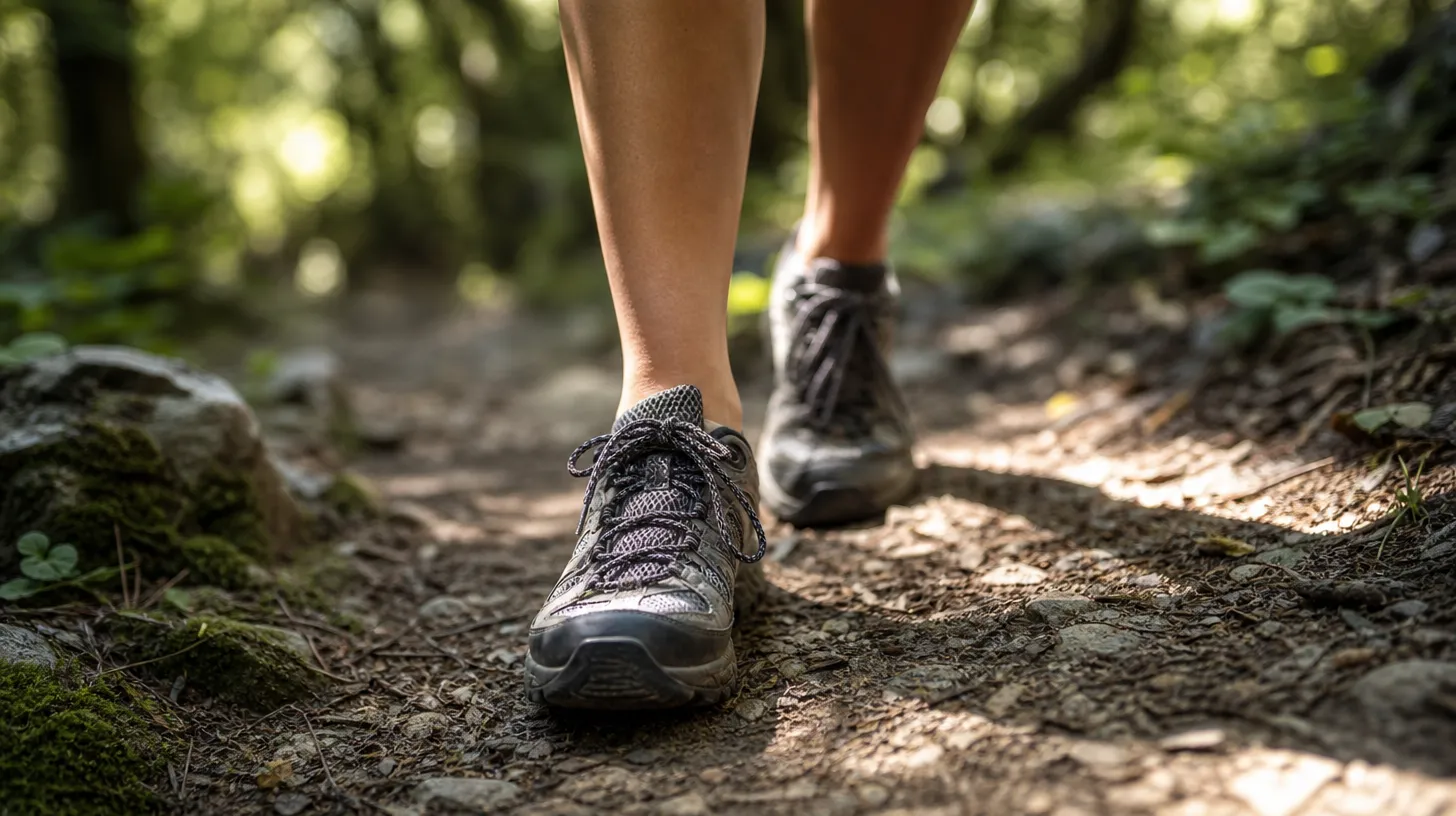
The best women's hiking shoes deliver a low-cut, agile feel that is lighter and faster-drying than a traditional boot—without giving up the traction and support you need on the trail. We've researched and compared the top picks for 2026 across five categories: best overall value, most cushioned, best for mud and technical terrain, widest toe box, and best stability shoe.
This article contains affiliate links. We may earn a commission if you make a purchase through our links, at no extra cost to you.
For the full picture on women's footwear—when a shoe beats a boot, how to get the right fit, and how to break in any hiking footwear—start with our guide to choosing the right hiking boots and shoes. If you already know you want ankle coverage instead, jump over to our best hiking boots for women in 2026 roundup.
Low-cut hiking shoes vs. trail runners vs. boots: which is right for you?
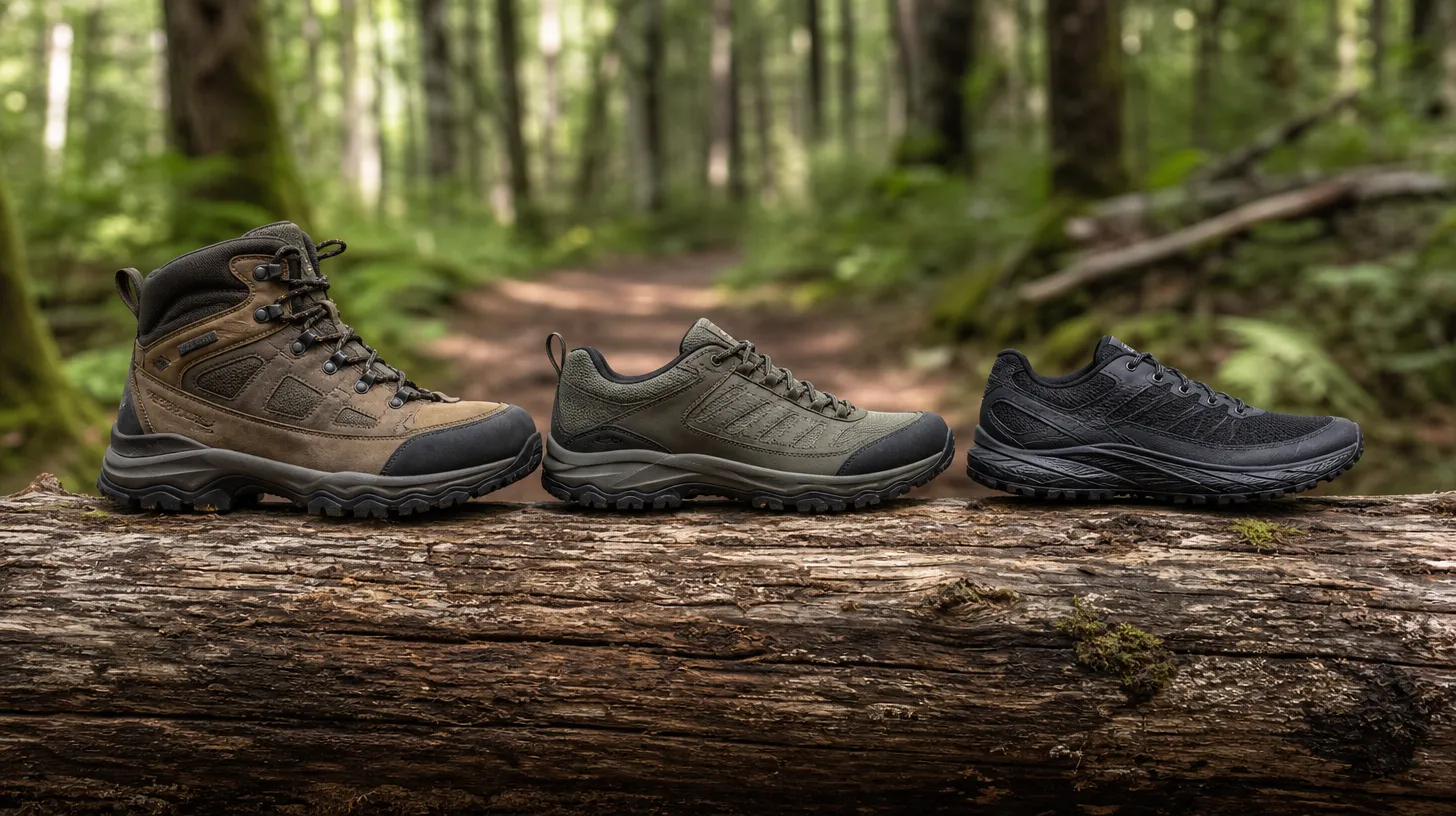
Before we get to the picks, a quick comparison—because the three categories overlap and the differences matter for fit, performance, and how long your feet feel good at mile 8. See our full hiking boots vs. hiking shoes vs. trail runners breakdown for a deep dive; here is the short version:
- Hiking shoes (low-cut) — sturdier than a road-running shoe, with a reinforced toe cap, grippy outsole, and often a waterproof membrane option. Great for day hikes and light overnights on maintained trails. They typically weigh a bit more than trail runners but less than boots, landing in a sweet spot for all-day comfort.
- Trail runners — lighter still and faster-drying, built on running-shoe geometry with a lower stack and more flexible sole. Ideal for fast-packing and hikers who prioritize speed and want a natural-feeling stride. Two of the five picks below (the Speedcross 6 and Lone Peak 8) technically sit in this category but are widely used as hiking shoes.
- Hiking boots (mid or high) — add ankle support and more durable construction for heavy packs, rocky off-trail terrain, or multi-day trips. If that sounds like you, our women's hiking boots guide has the right picks.
Choose a shoe when: your trails are well-maintained, your pack is light (under roughly 25 lb), and the weather is warm or changeable. Shoes are also the right call when you want something that doubles as a camp shoe or travels light in your luggage.
When boots make more sense: you're carrying a heavy overnight pack, hiking on consistently rocky or off-trail ground, or have a history of ankle sprains and want the added collar support.
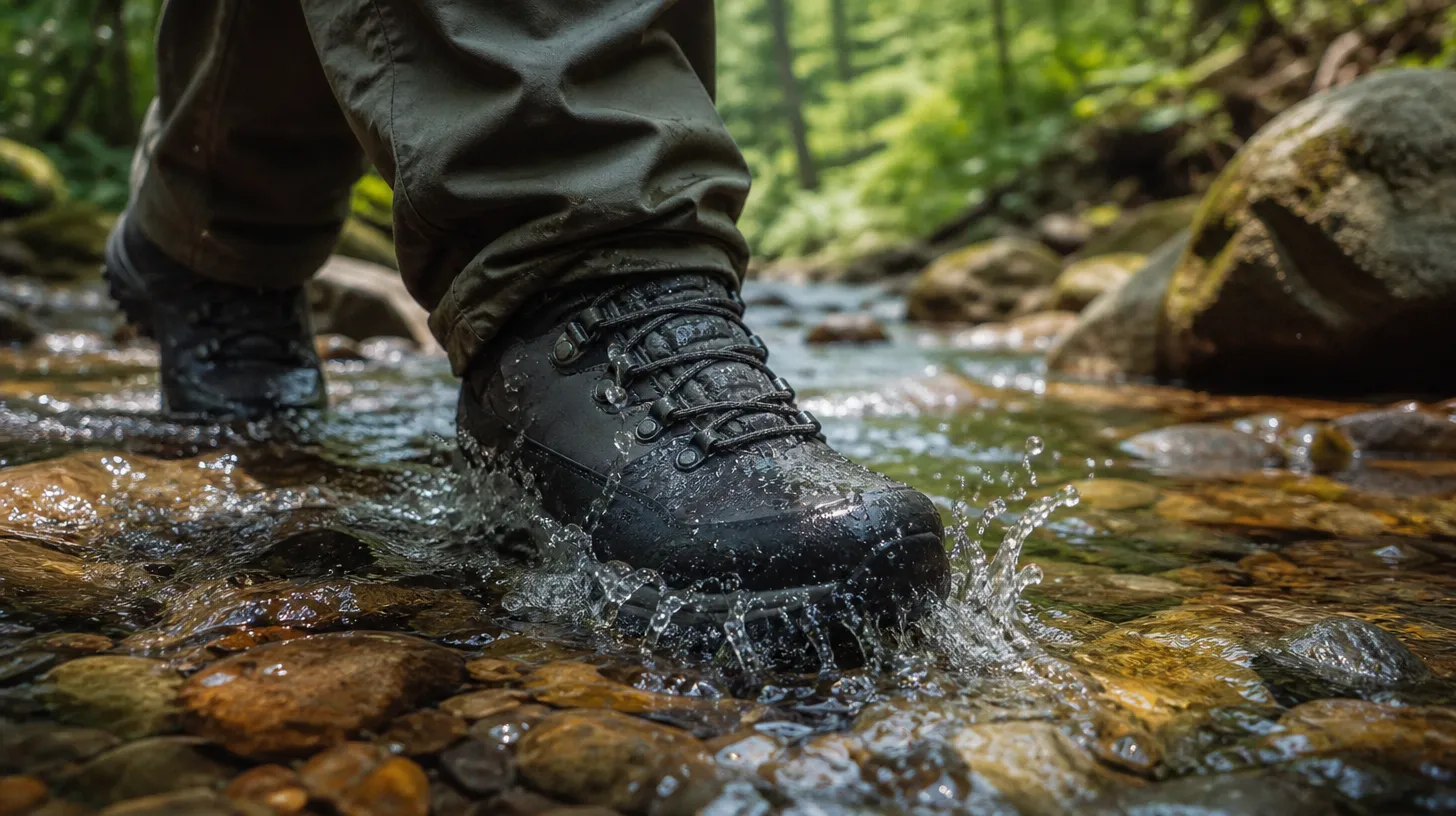
Waterproof vs. breathable mesh: Waterproof liners keep your feet dry in rain and stream crossings but run warmer and take longer to dry if they do get soaked through the cuff. Breathable mesh is cooler, more comfortable in summer heat, and dries in minutes—better for hot, dry climates or any hike where ventilation matters more than full waterproofing. One of the five picks below is fully waterproof (the HOKA Anacapa 2 Low GTX); the other four are breathable mesh.
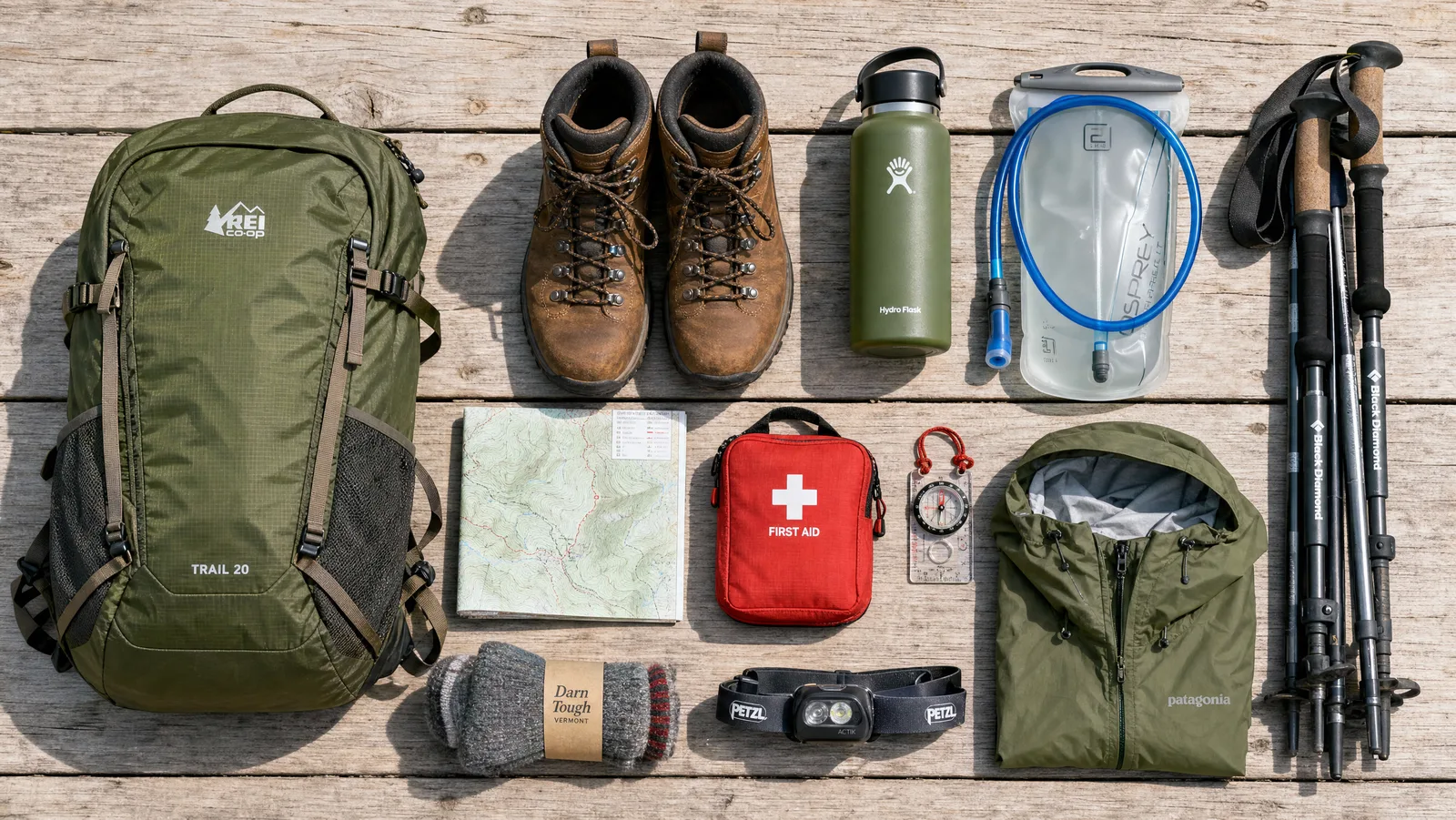
Pair whichever shoe you choose with quality moisture-wicking hiking socks to manage heat and prevent blisters. The socks matter almost as much as the shoes.
What to look for in women's hiking shoes
Shopping for trail footwear involves a few key decisions beyond just picking a brand. Here is what actually matters:
Outsole grip: Look for multi-directional lugs made from sticky rubber compounds (such as Vibram, Contagrip, or Altra's MaxTrac). Deeper, more widely spaced lugs shed mud and grip loose dirt; shallower, denser lugs perform better on hard, dry rock. The Merrell Moab 3 and Salomon X Ultra 4 use different lug geometries for different terrain profiles—neither is universally better.
Midsole cushion vs. ground feel: A thicker, softer midsole (like HOKA's) reduces impact fatigue on long, hard-packed miles but reduces the trail feedback that helps you place your feet carefully on technical ground. A lower-profile midsole (like the Altra Lone Peak) gives more proprioceptive feedback but asks more of your legs on steep, rocky terrain. Match the cushion to your typical trail surface and hike length.
Fit and toe box width: Women's-specific lasts are generally narrower in the heel and slightly wider in the forefoot than men's versions. If you have wide feet or a naturally spreading foot shape, look specifically for wide-toe-box designs (Altra, KEEN, or the Merrell Moab which runs accommodating). For detailed fit guidance, see our how hiking boots should fit guide.
Weight: A hiking shoe that saves you a pound over a pair of boots pays off over thousands of steps—research consistently shows that shoe weight has an outsized effect on perceived effort over a long day. All five picks below are meaningfully lighter than comparable mid boots.
Break-in period: Most quality hiking shoes need only light break-in (a few short walks), unlike traditional leather boots. The Moab 3 is famous for being nearly ready out of the box. Zero-drop shoes like the Lone Peak are the exception—your calves and Achilles need time to adapt to the lower heel position.
Our top 5 women's hiking shoes for 2026
Our pick — best overall: Merrell Women's Moab 3 Hiking Shoe
Merrell's Moab line is one of the best-selling hiking shoes in the world, and the low-cut Moab 3 earns that reputation year after year. It fits a wide range of foot shapes right out of the box—almost no break-in required—thanks to a roomy toe box and a footbed that suits most arch types without immediately demanding custom insoles. The Vibram TC5+ outsole grips dirt, gravel, and wet rock reliably without wearing down too fast on hard surfaces. The midsole uses a partly recycled foam compound that feels supportive but not overly stiff for all-day wear.
At around $126 as of mid-2026, it undercuts most of the competition while offering comparable or better performance for typical trail conditions. If you are buying your first hiking shoe or replacing a pair and want a reliable default, the Moab 3 is the answer.
Note: This is the breathable (non-waterproof) version—ideal for warm, drier conditions. A waterproof Moab 3 GTX version is also available if you hike regularly in wet climates.
Most cushioned: HOKA Women's Anacapa 2 Low GTX
If you log long miles—especially on gravel roads, packed dirt, or mixed urban-to-trail routes—and want your feet and legs to feel noticeably fresher at mile 10 than with a standard hiking shoe, the Anacapa 2 Low GTX is the most luxurious option on this list. HOKA's signature oversized midsole absorbs impact efficiently, and the low-cut design keeps the shoe light enough that the extra foam doesn't feel like a burden. The GORE-TEX waterproof lining means you can step through puddles, wet grass, and light stream crossings without pulling off your shoe and emptying it.
The shoe is designed to work as a genuine hiking shoe—not just a trail-adapted running shoe—so it has a more protective toe cap and a stiffer platform than HOKA's pure running lineup. At around $189 as of mid-2026, it's a premium buy, but the combination of max cushion and waterproofing is genuinely hard to find at any price.
This pick is waterproof (GORE-TEX). It runs warmer than a mesh shoe—ideal for cool, wet climates rather than hot summer hikes.
Best for mud and technical trails: Salomon Women's Speedcross 6
When the trail turns truly nasty—saturated mud, loose dirt on steep descents, wet roots, or slick creek crossings—the Speedcross 6 is in a different league from the other shoes on this list. Salomon's aggressive chevron lugs are specifically designed to bite into soft, yielding ground and shed mud before it builds up and kills traction. The Quicklace system cinches the fit in one pull, locking your foot in place even on off-camber, unpredictable footing where side-to-side foot movement causes blisters and missteps.
It's important to set expectations: the Speedcross is a trail running shoe, not a structured hiking shoe. That means it's light and low-profile, which is an advantage for fast movement but means less underfoot protection on sharp rock fields. Save it for the muddy, rooty, technical trails it was engineered for, and it will outperform anything else on this list in those conditions. Around $150 as of mid-2026.
Breathable mesh upper (not waterproof). Deep lugs wear faster on hard, dry, rocky surfaces—keep these for the muddy trails they excel on.
Best wide toe box: Altra Women's Lone Peak 8
For hikers whose feet splay naturally or who have spent years fighting hot spots, blisters, or numbness from conventional tapered shoes, the Lone Peak 8 can feel like a revelation. Altra's FootShape toe box is based on the actual outline of a relaxed human foot—wider at the toes and following a natural taper rather than a cosmetically narrow point—giving each toe room to sit flat and push off independently on every stride. The result is noticeably less friction on long miles and a more stable platform on uneven ground.
The zero-drop platform (heel and forefoot at the exact same height) is the other defining characteristic. It encourages a more natural midfoot or forefoot strike and reduces the knee-loading that a raised heel can produce. The Lone Peak 8 has balanced, responsive cushioning—not minimal, not maximal—that handles rocky trail surfaces without requiring a high-drop shoe for protection. At around $104 as of mid-2026, it's one of the most affordable picks here and one of the most specialized.
Breathable mesh upper (not waterproof). Zero-drop requires a gradual transition if you are coming from a traditional raised-heel shoe—ramp up mileage slowly over two to four weeks to avoid Achilles and calf strain.
Best for stability: Salomon Women's X Ultra 4
The X Ultra 4 occupies the most practical middle ground on this list: agile and lightweight enough to feel trail-runner-fast, but with enough chassis structure and midsole rigidity to keep you confident on technical, uneven, and steep terrain where pure trail runners can feel skittish. Salomon's Contagrip outsole compound grips on dry rock, packed dirt, and mixed surfaces, and the breathable mesh upper keeps your feet cool and dries fast after stream crossings or light rain. A torsional-rigidity shank in the midsole prevents the shoe from flexing laterally on off-camber slopes—a meaningful feature on exposed ridge trails and loose switchbacks.
This is the non-waterproof version of the X Ultra line, which makes it the right call for warm-weather hiking, high-mileage desert days, or any conditions where ventilation and quick-drying matter more than a waterproof membrane. Around $180 as of mid-2026.
This pick is breathable mesh — not waterproof. Salomon's fit runs slightly narrow in the toe—hikers with wider feet should try before buying or factor in the return policy.
Quick comparison: all five picks at a glance
| Shoe | Waterproof? | Best for | Price (mid-2026) | |---|---|---|---| | Merrell Moab 3 | No (breathable mesh) | All-around day hiking | ~$126 | | HOKA Anacapa 2 Low GTX | Yes (GORE-TEX) | Comfort on long miles | ~$189 | | Salomon Speedcross 6 | No (breathable mesh) | Mud & technical terrain | ~$150 | | Altra Lone Peak 8 | No (breathable mesh) | Wide feet / zero-drop | ~$104 | | Salomon X Ultra 4 | No (breathable mesh) | Stability on dry/warm trails | ~$180 |
If you are shopping with a partner or hiking companion who needs men's sizes, our men's hiking shoes guide covers parallel picks across the same categories—including men's versions of the Moab 3 and Speedcross 6.
Frequently asked questions
Are hiking shoes good enough, or do women need hiking boots? For most day hikers on well-maintained trails with a light pack, low-cut hiking shoes are plenty. Boots make more sense when you're carrying a heavier load (over roughly 25 lb), hiking on consistently rough or off-trail ground, or in conditions where ankle collar support reduces sprain risk. See our hiking boots vs. hiking shoes comparison for the full decision framework.
Should women's hiking shoes be waterproof? It depends on where you hike and in what season. GORE-TEX (like the HOKA Anacapa 2 above) is excellent for rainy climates, shoulder-season snow, and wet stream crossings. For hot, dry summer hiking in the Southwest or similar climates, a breathable mesh shoe like the Moab 3, Speedcross 6, or X Ultra 4 keeps your feet cooler and dries in minutes if you do get them wet—which often matters more than waterproofing.
How should women's hiking shoes fit? Your heel should be locked with no vertical lift when you walk uphill, and your toes should be able to splay slightly without pressing against the front of the shoe. See our complete sizing and fit guide for the full rundown.
How long do women's hiking shoes last? Expect 500–800 miles of useful life from a hiking shoe, depending on terrain, gait pattern, and construction. Trail-running-based shoes like the Speedcross and Lone Peak tend toward the lower end of that range on abrasive surfaces. Replace any shoe when the outsole lugs wear smooth or when the midsole stops rebounding underfoot—both degrade grip and cushioning quietly, long before the upper shows obvious wear.
Can I use hiking shoes for backpacking? For light overnight trips with a pack under 25–30 lb, a supportive hiking shoe like the Merrell Moab 3 or the Salomon X Ultra 4 is a reasonable choice. For heavier loads, multi-day trips, or consistently rough terrain, a mid boot gives more ankle protection and durability. Check our women's hiking boots guide for backpacking-specific recommendations.
What socks should I wear with hiking shoes? Always wear non-cotton socks—merino wool or synthetic blends wick moisture away from the skin, reduce friction points, and dramatically cut your blister risk compared to cotton. Our best moisture-wicking hiking socks for women guide has top-rated picks across different thicknesses and price points.
Conclusion
For most women, the Merrell Moab 3 is the easiest first hiking shoe to recommend—comfortable from the very first mile, a forgiving fit that suits most feet, a proven Vibram outsole, and honest value under $120. If you prioritize cushioning and want built-in waterproofing for wet climates, the HOKA Anacapa 2 Low GTX is the only waterproof pick on this list and delivers a noticeably plush ride that holds up well all day. Mud-focused hikers and fast movers will get the most from the Salomon Speedcross 6; hikers with wide feet or a preference for zero-drop geometry will find the Altra Lone Peak 8 uniquely comfortable; and for stability on warm, dry trails without overheating, the breathable Salomon X Ultra 4 is the most agile and structured option here.
Once you have your shoes sorted, revisit our complete hiking footwear guide for detailed sizing and fit tips, care and cleaning advice, and a full guide to deciding when it's time to upgrade to boots. Happy trails.
The picks

The Moab 3 is one of the world's best-selling hiking shoes for good reason: it fits a wide range of foot shapes right out of the box, requires almost no break-in time, and delivers reliable Vibram TC5+ grip on dirt, gravel, and wet rock. The breathable mesh upper runs cool on warm-weather hikes, and the cushioned footbed uses partial recycled content. It is the default recommendation for women who want a capable, comfortable all-day shoe without a premium price.

HOKA's signature oversized midsole makes the Anacapa 2 Low GTX the most plush shoe on this list—the thick foam absorbs impact mile after mile on hard-packed trails, gravel roads, and mixed terrain. The GORE-TEX waterproof lining adds all-weather versatility, keeping feet dry in rain, stream crossings, and wet meadows. The low-cut silhouette keeps it light and agile despite the generous cushion stack, making it ideal for women who value comfort on long outings.

Built for aggressive terrain, the Speedcross 6 features deep, self-cleaning chevron lugs that bite into mud, loose soil, and wet roots where shallower shoes slip. Salomon's Quicklace system locks down fit instantly with a single pull, so your foot stays secure on technical, off-camber footing. Lightweight trail-runner construction keeps the shoe fast and unencumbering—the right choice for hikers who move at pace and demand maximum traction on muddy, challenging trails.
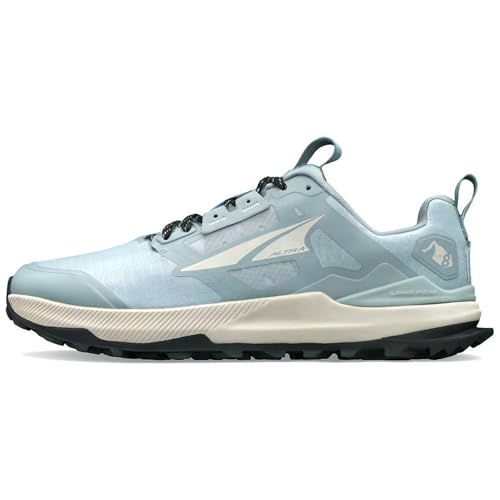
Altra's FootShape toe box mirrors the natural spread of the foot rather than tapering to a point, giving each toe room to sit flat and push off naturally—a game-changer for women who struggle with blisters, bunions, or numbness in conventional shoes. The zero-drop platform (heel and forefoot at equal height) promotes a more balanced stride. Balanced cushioning handles rocky trail surfaces without the fatigue of a minimal shoe, and the breathable mesh upper keeps things cool.

The X Ultra 4 sits between a trail runner and a structured hiking shoe: it is precise and agile in the Salomon tradition, but with enough chassis support to handle technical footing and uneven ground with confidence. The Contagrip outsole grips on packed dirt, dry rock, and mixed surfaces. A breathable mesh upper keeps feet cool and dries fast—this is the non-waterproof version of the X Ultra line, built for warm-weather and dry-climate hiking. A torsional-rigidity shank adds stability on rough terrain without making the shoe feel heavy or stiff.
Top 3, head-to-head
About the author
Victoria Miller
Victoria Miller is passionate about literature and outdoor adventures. After completing her undergraduate studies at the University of Utah, she spent a year traveling and hiking throughout New Zealand and Europe. She is an avid reader and has a penchant for escaping into worlds of her own creation.