Looking for the perfect daypack for your next hike - Check out our list

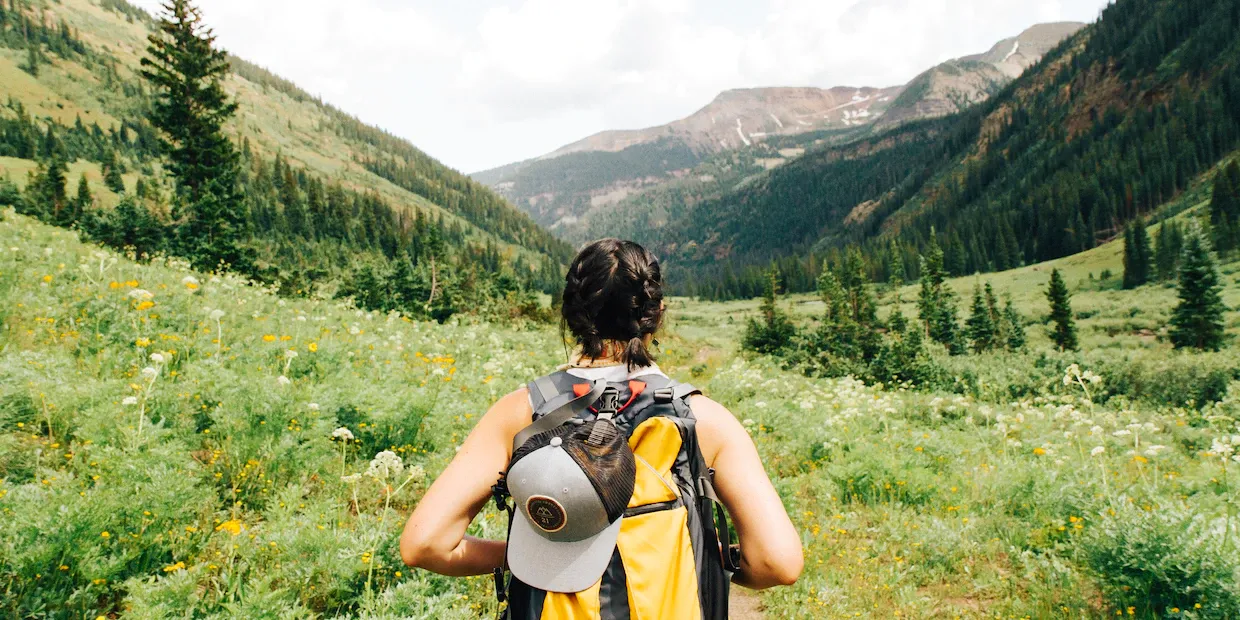
The right hiking daypack carries the Ten Essentials comfortably without weighing you down or digging into your shoulders. For most day hikes that means a 15–25 liter pack with a breathable back panel, a few smart pockets, and—ideally—a hip belt to take the load off your shoulders. Below are five daypacks we recommend, from a do-everything classic to a pocketable packable and budget picks, plus a quick guide to choosing your own.
This article contains affiliate links. We may earn a commission if you make a purchase through our links, at no extra cost to you.
Your pack holds everything else on the hiking gear for beginners checklist—load it using our day hiking gear list, and make room for a hydration bladder or water bottle in the dedicated sleeve and side pockets.
How to choose a hiking daypack
- Capacity — 15–25 L is the day-hike sweet spot: big enough for water, layers, food, and the Ten Essentials, small enough to keep you from over-packing. Go larger only for cold-weather or photography-heavy days.
- Fit and support — a hip belt transfers weight from your shoulders to your hips and makes a loaded pack far more comfortable. A padded, ventilated back panel keeps your back cooler on the climb.
- Organization — a main compartment plus a couple of pockets (hip-belt, side mesh, a small zip for keys) lets you grab essentials without unpacking. Stretch side pockets that fit a water bottle are a must.
- Hydration — look for an internal sleeve and a hose port if you use a reservoir.
- Materials and weather — durable, water-resistant fabric handles trail abuse; a built-in or packable rain cover protects your gear in a downpour.
Here are our five picks ↓
What should you pack in a daypack?
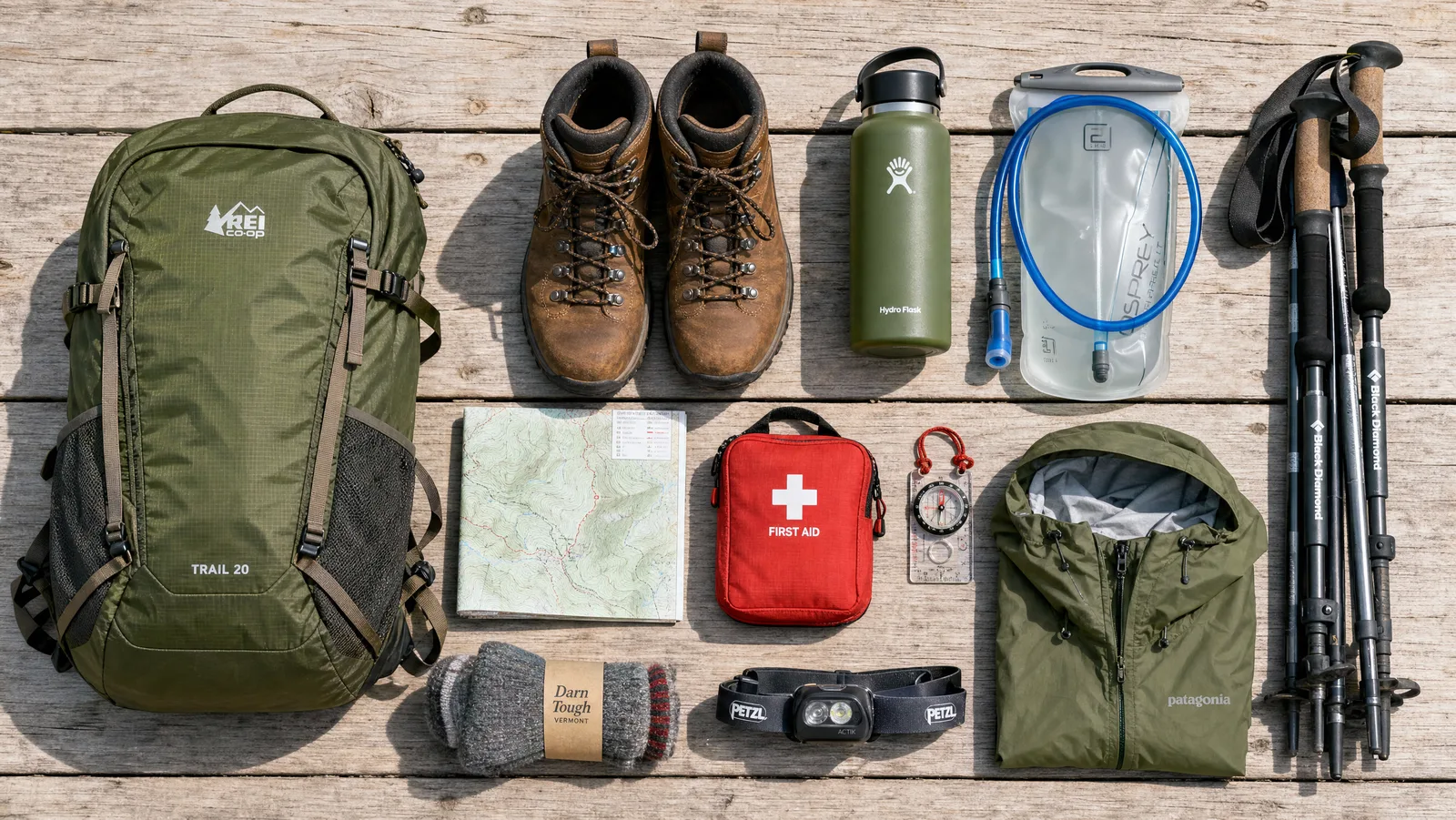
Every day hike should include the Ten Essentials: navigation (map, compass, charged phone), water, food, rain and insulation layers, a first-aid kit, a headlamp, sun protection, an emergency shelter, a fire source, and a small repair kit. Add trekking poles on the outside, and you're set for almost any day on the trail.
Frequently asked questions
What size daypack is best for hiking? For most day hikes, 15–25 liters is ideal. Choose around 20 L as a versatile all-rounder; size up toward 25–30 L if you carry extra layers, camera gear, or pack for others.
Do I need a hip belt on a daypack? For light loads under a few pounds, no. But once you're carrying water, layers, and the Ten Essentials, a hip belt makes a big difference in comfort by shifting weight off your shoulders—worth having for any real hike.
Can I use a regular backpack for hiking? A school or commuter backpack works for short, mild hikes. But a true daypack carries weight more comfortably (ventilated back panel, hip belt), organizes gear better, and stands up to the trail—worth it once you hike regularly.
The picks

The Daylite is the daypack we recommend to most hikers: light, comfortable, and versatile enough for the trail, travel, and everyday use. The panel-loading main compartment, front mesh-organizer pocket, two stretch side pockets, and an internal sleeve for a hydration reservoir or tablet cover the basics, while the ventilated foam back panel keeps you cool. It even clips onto larger Osprey packs as add-on storage. Backed by Osprey's All Mighty Guarantee.

If you want a dedicated hiking pack with real load support, the Sportlite 20 steps up from the Daylite. It adds a proper padded hip belt and AirScape back panel for ventilated, weight-shifting comfort, an included hydration reservoir sleeve, dual stretch side and hip-belt pockets, and trekking-pole attachment—all in a light, trail-focused 20 L package. The best all-day hiking option on this list.

For longer or gear-heavy days, the roomier Escapist 25 brings a BioStretch harness and hip belt, an integrated rain cover, and hip-belt and shoulder-strap pockets for organized, weather-ready carry. Originally built as a crossover hike/bike pack, it's a comfortable choice when 20 L isn't quite enough and you want built-in rain protection.

When you want a spare pack that weighs almost nothing, the SKYSPER folds down into its own pocket and stuffs into luggage or a larger pack. At 20 L it still swallows a day's essentials, with a chest strap for stability and water-resistant fabric. Ideal as a travel summit bag or backup—and at around $25, an easy add to your kit.
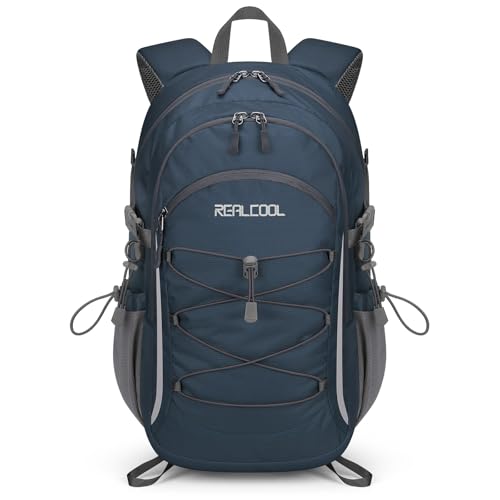
The RealCool is the budget pick that punches above its price. For under $30 you get a 20 L water-resistant pack with multiple compartments, mesh side pockets for water bottles, and padded, breathable straps. It won't replace a premium hiking pack for big-mileage days, but it's a great, low-risk way to get started on the trail.
Top 3, head-to-head
About the author
Victoria Miller
Victoria Miller is passionate about literature and outdoor adventures. After completing her undergraduate studies at the University of Utah, she spent a year traveling and hiking throughout New Zealand and Europe. She is an avid reader and has a penchant for escaping into worlds of her own creation.